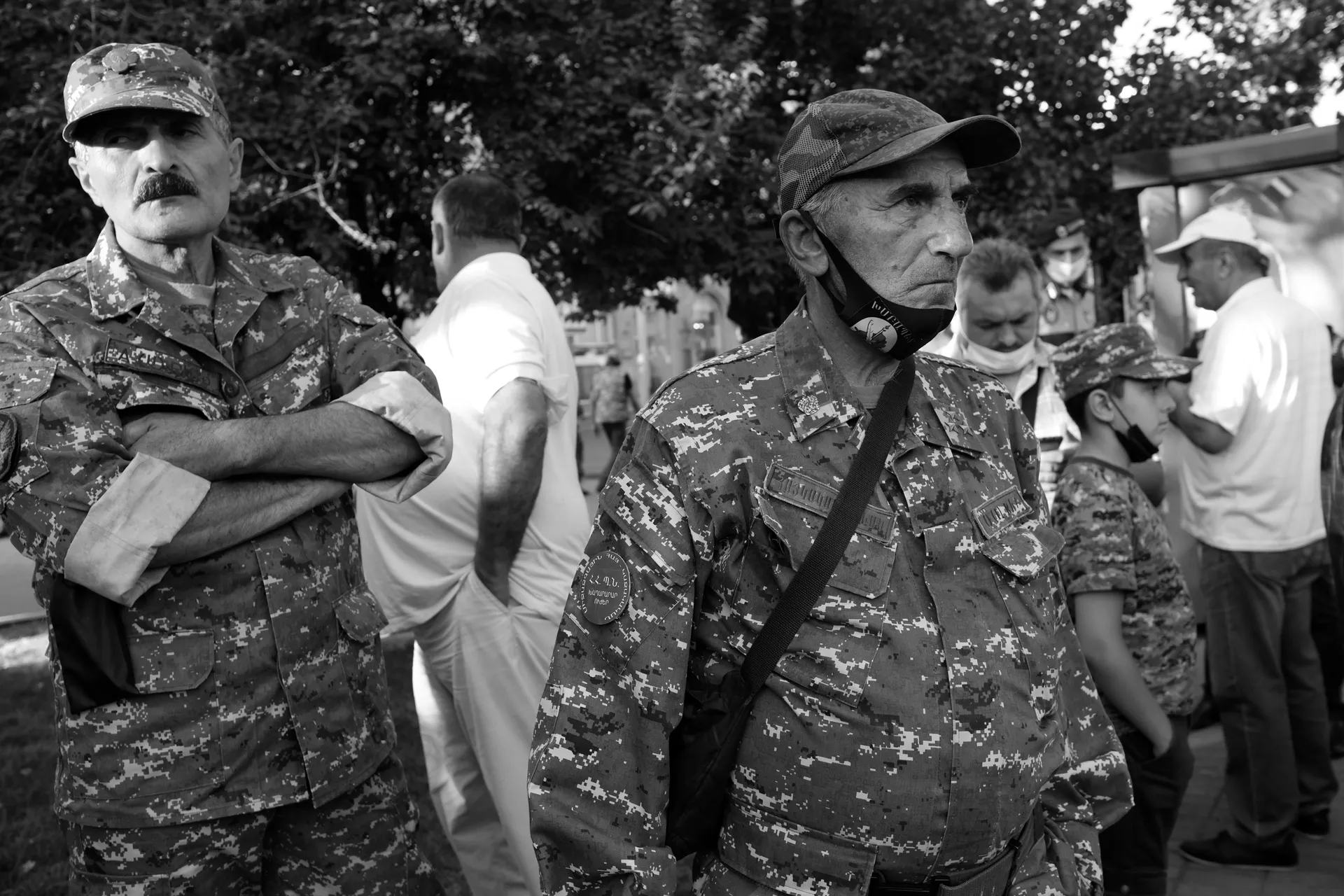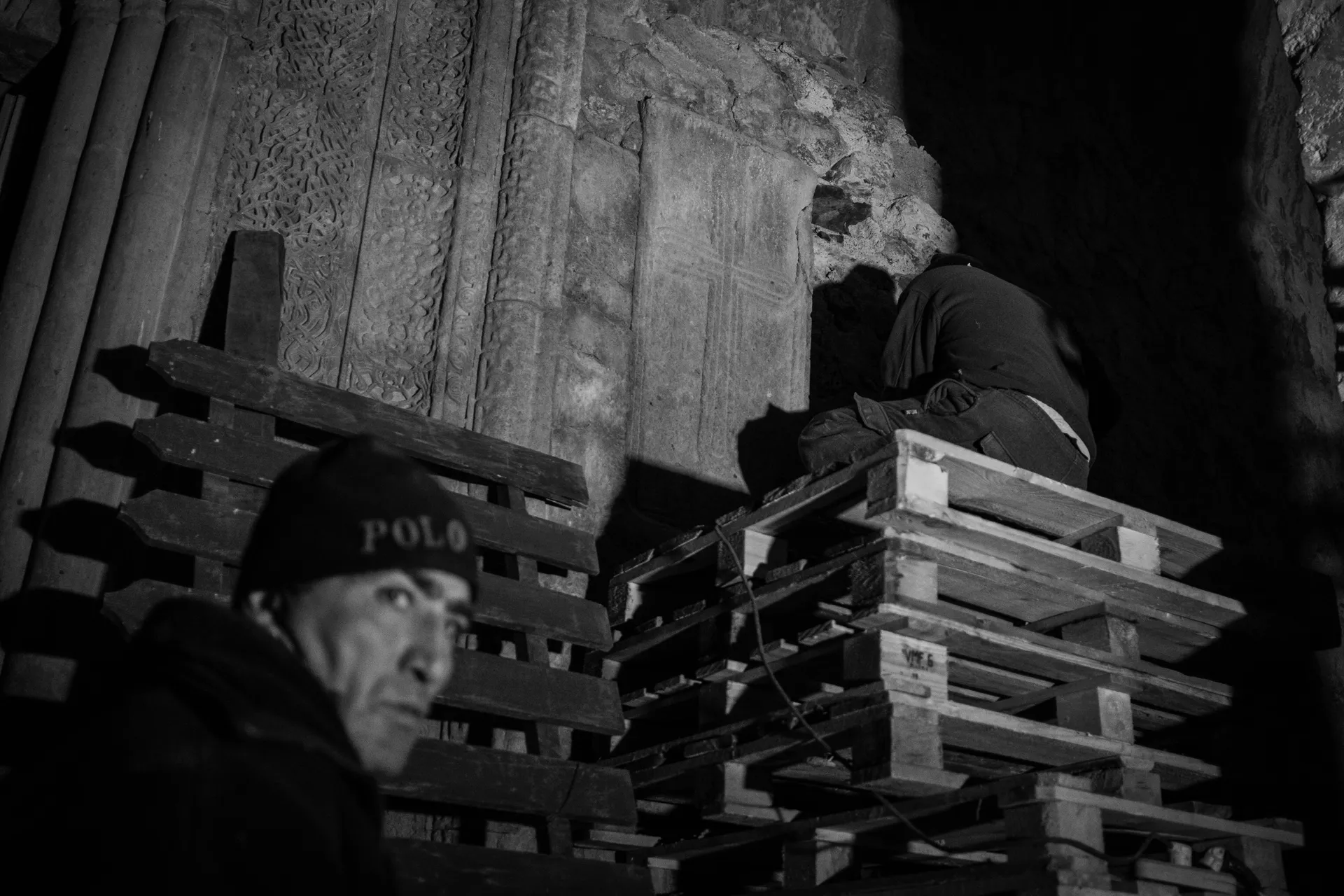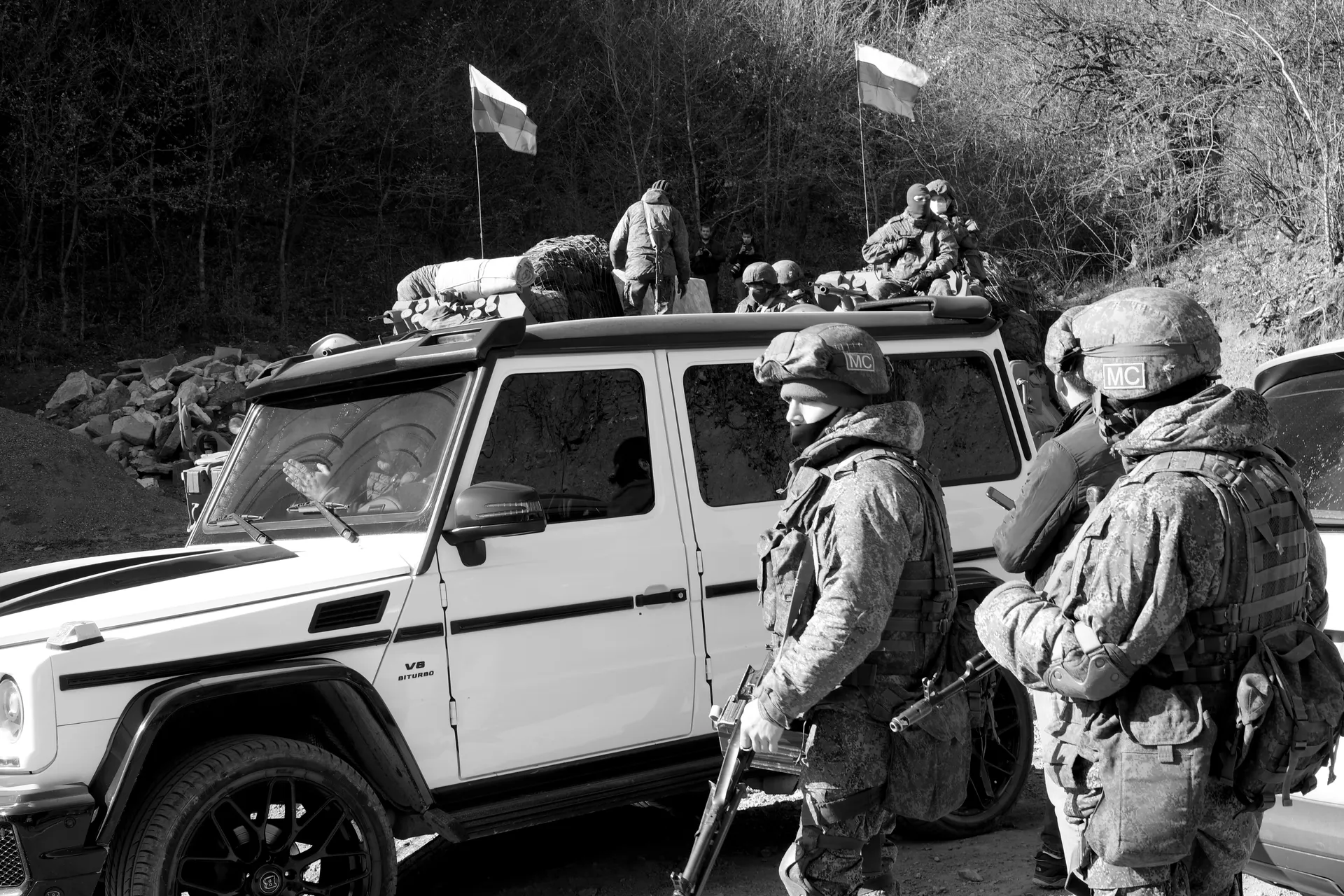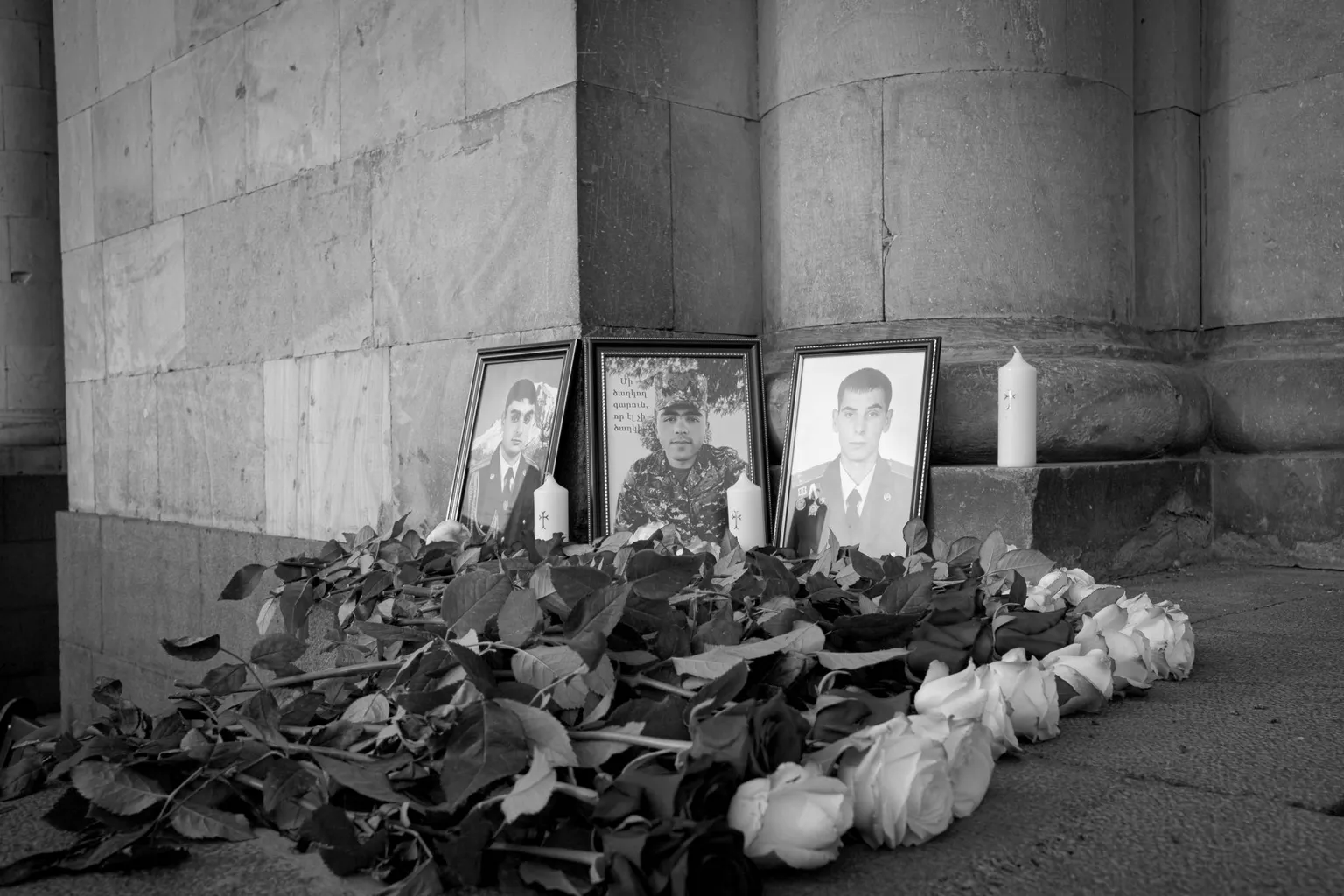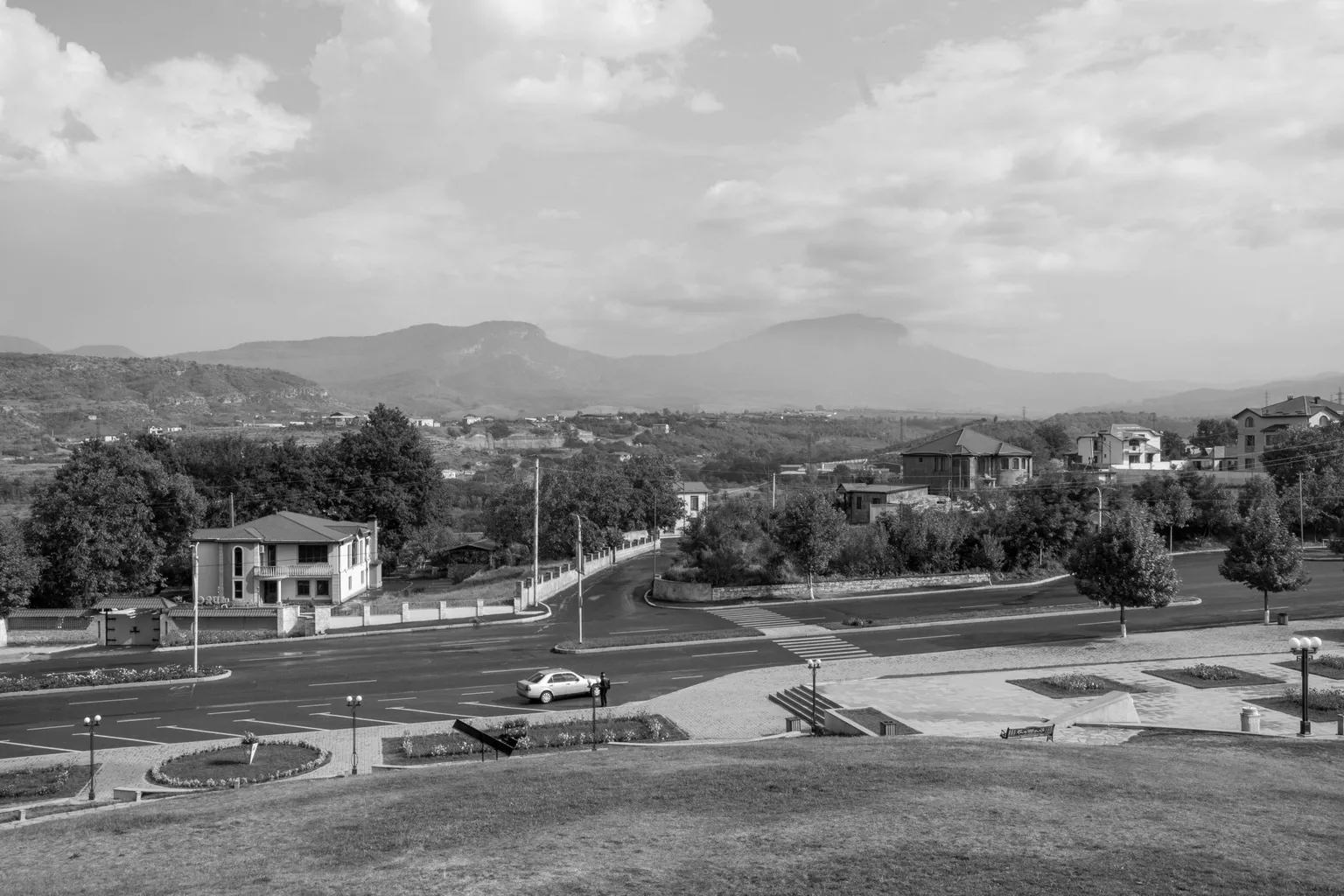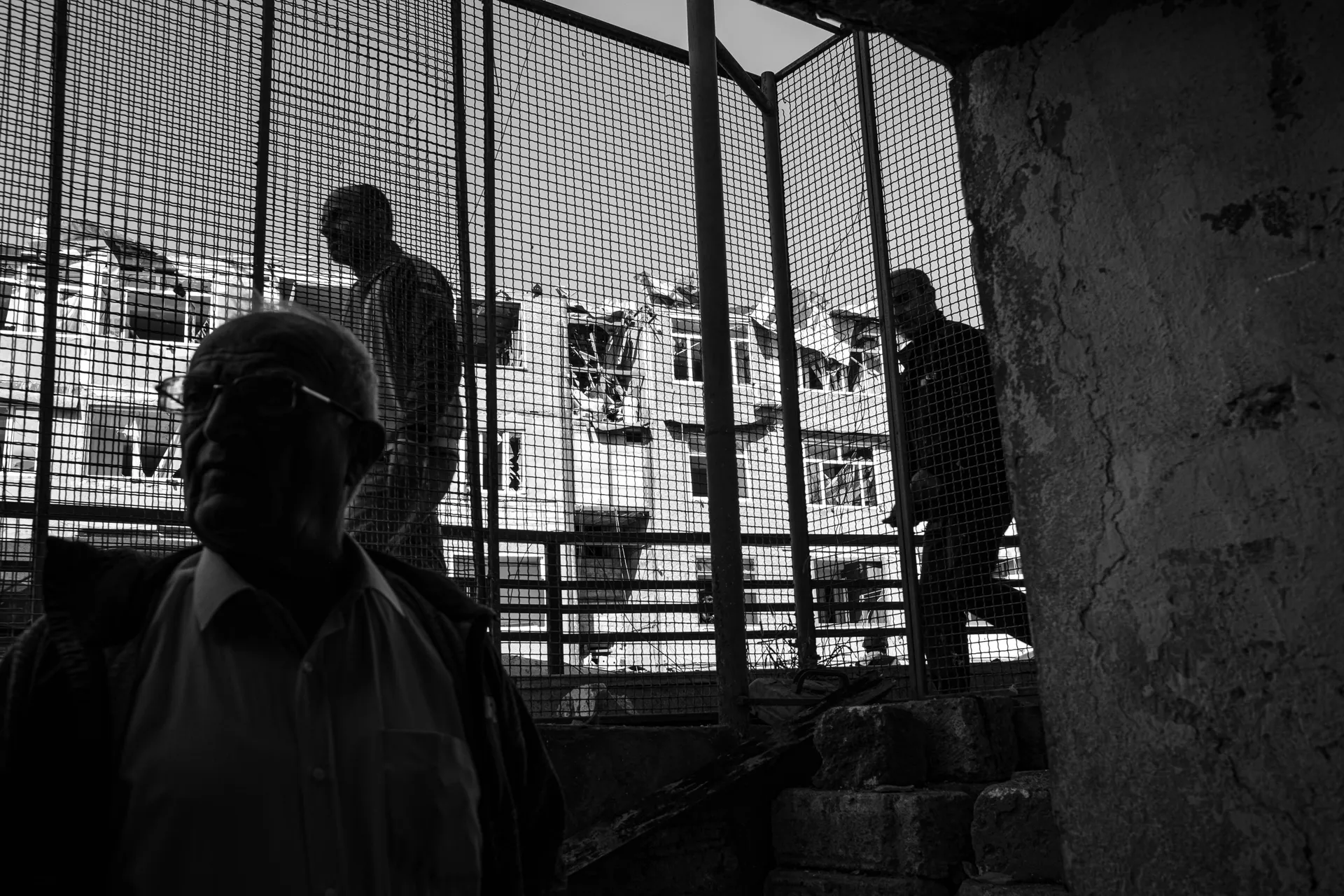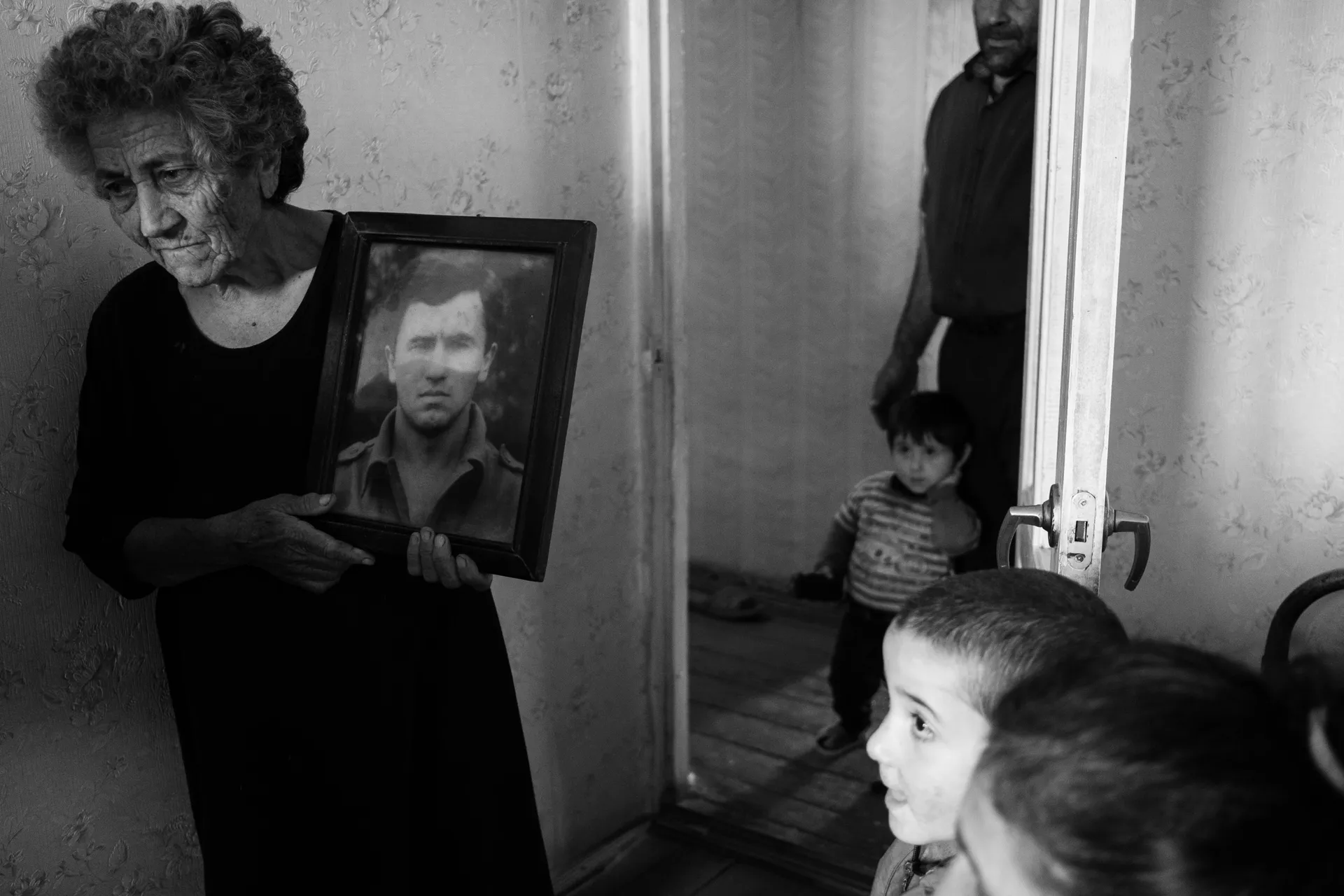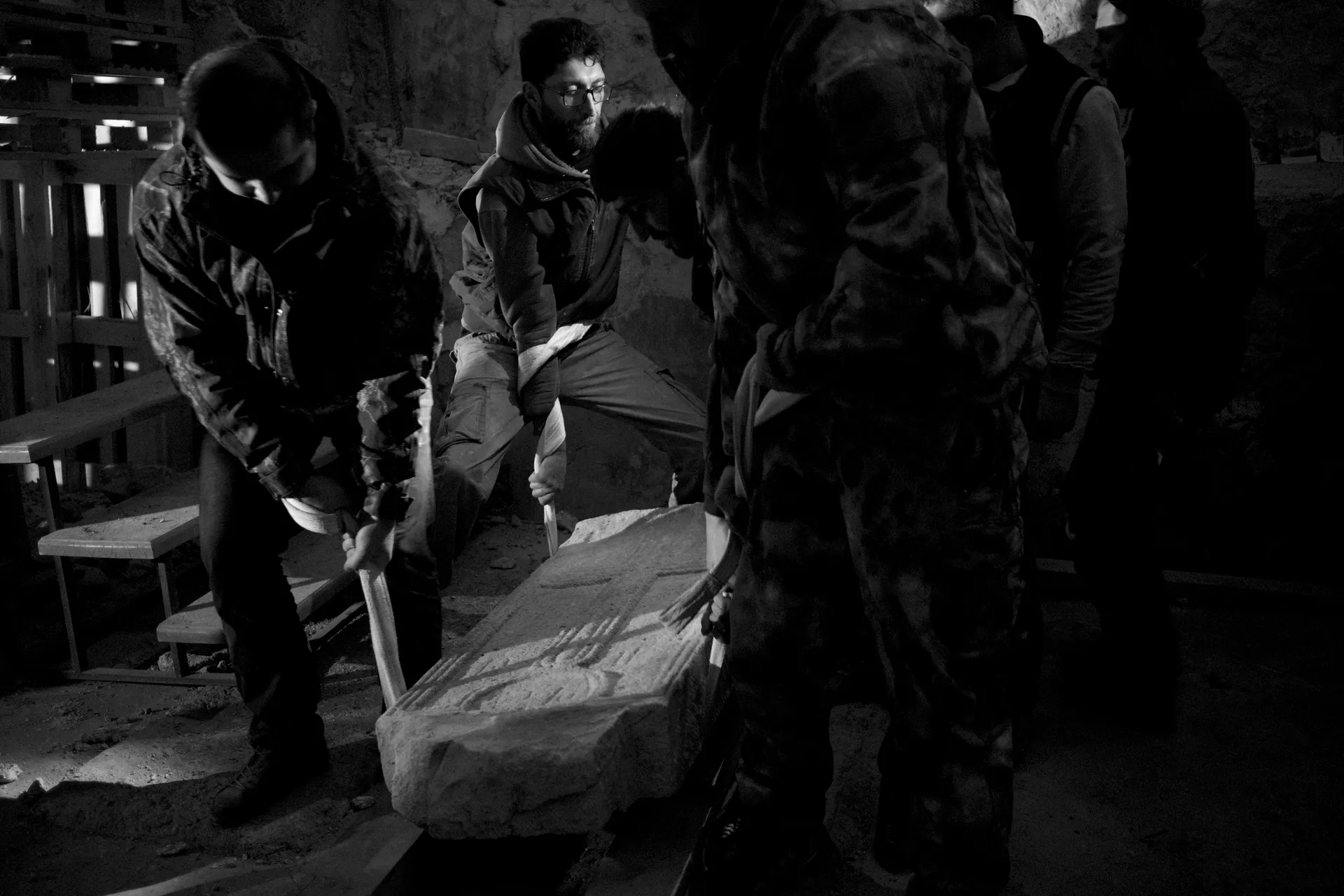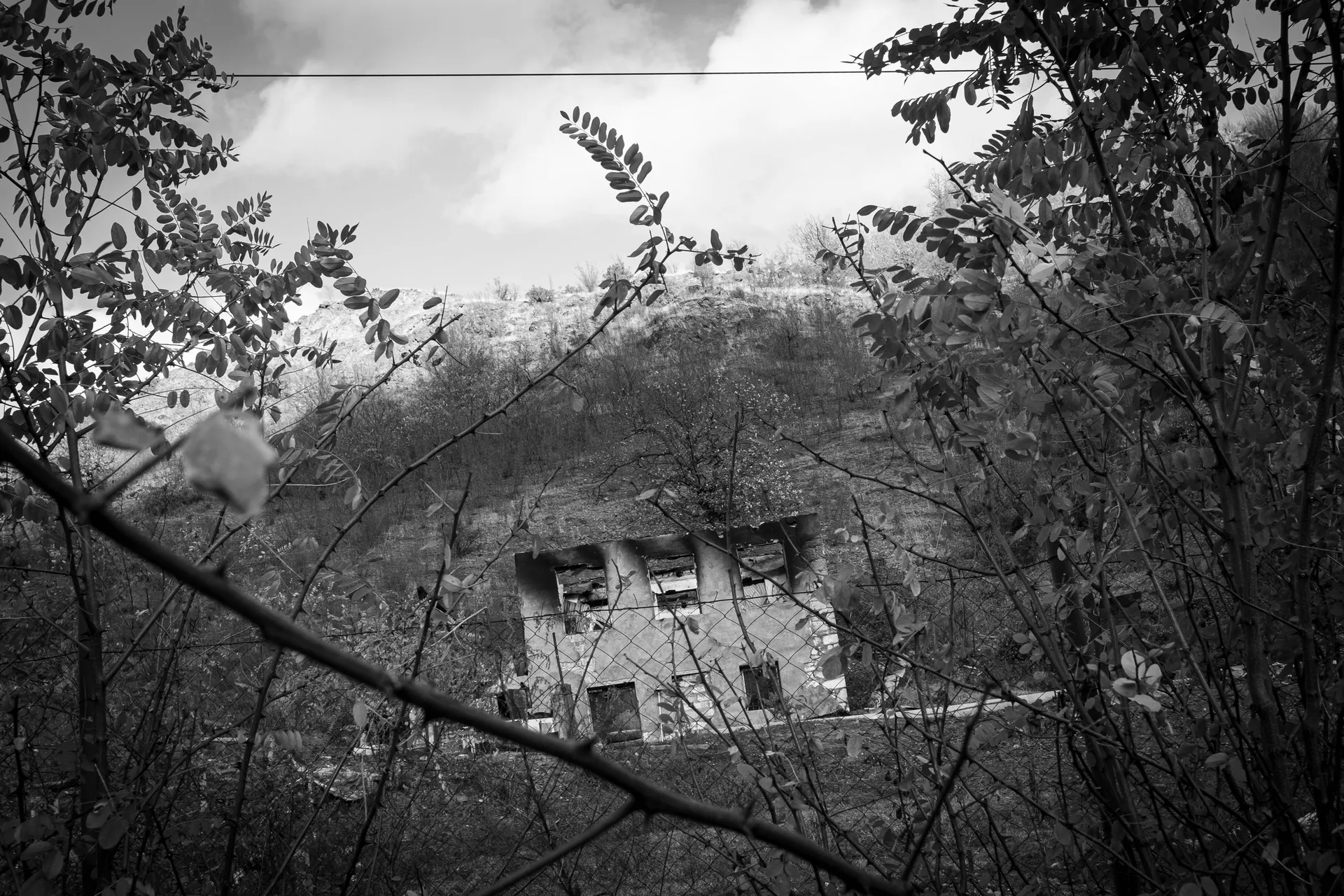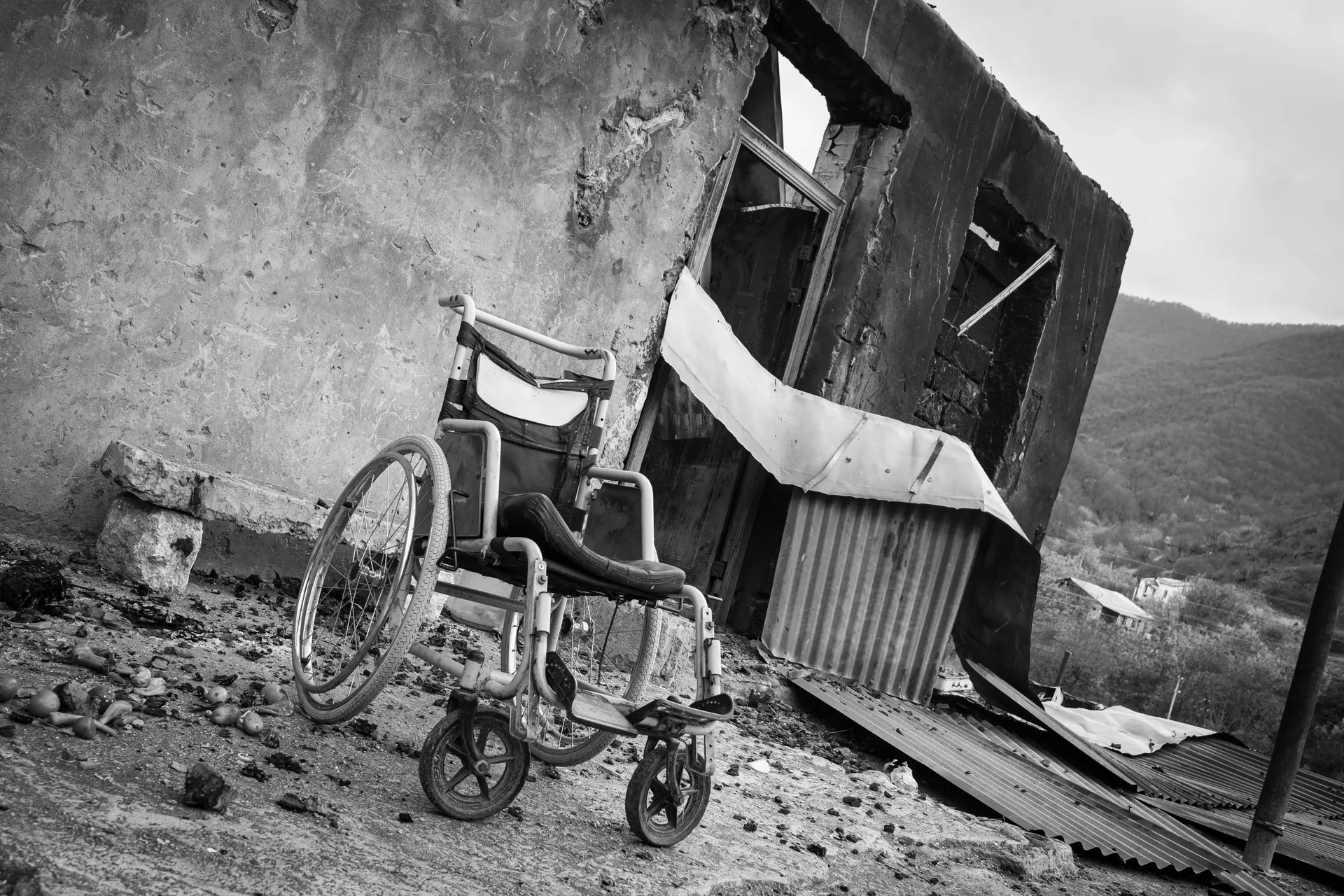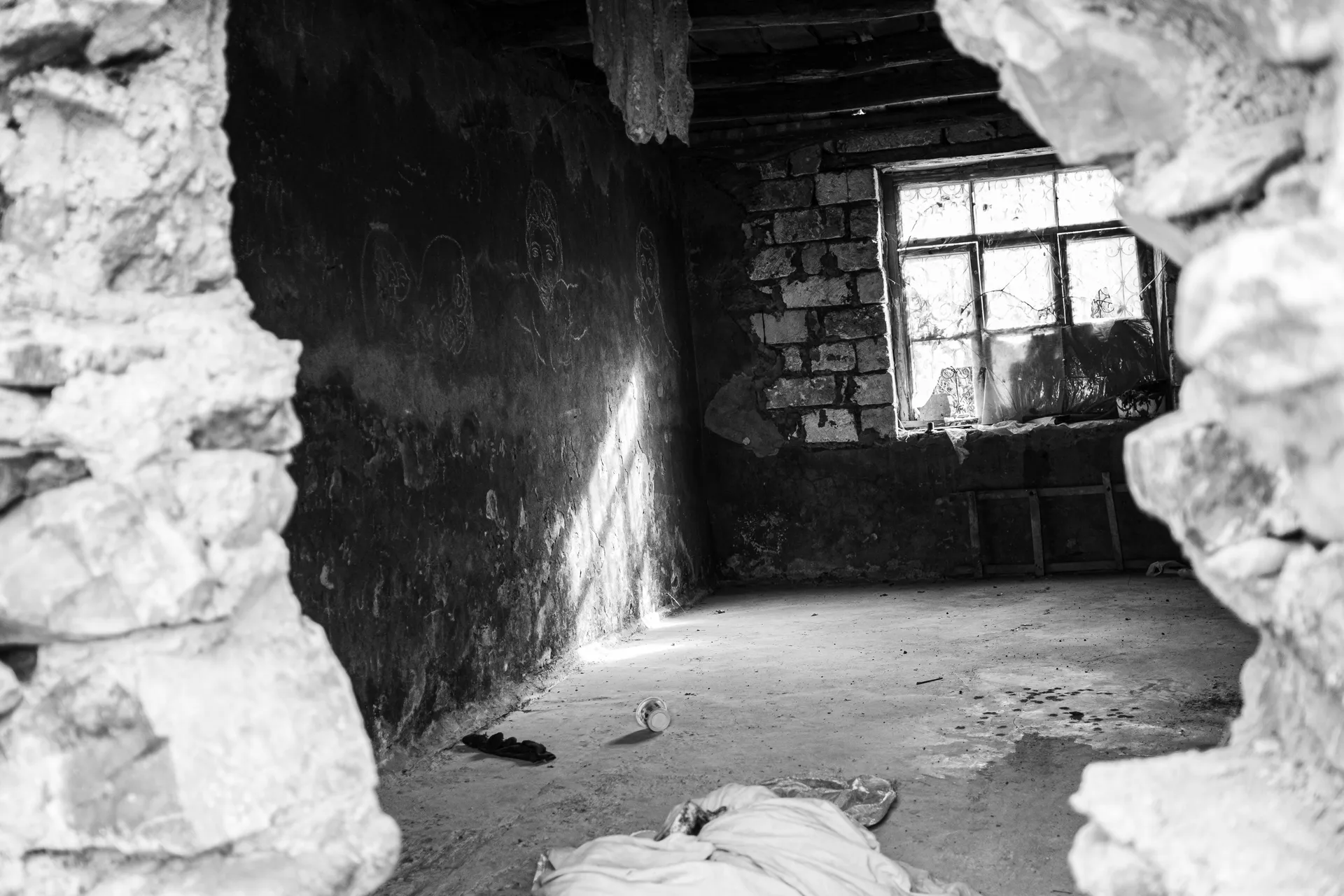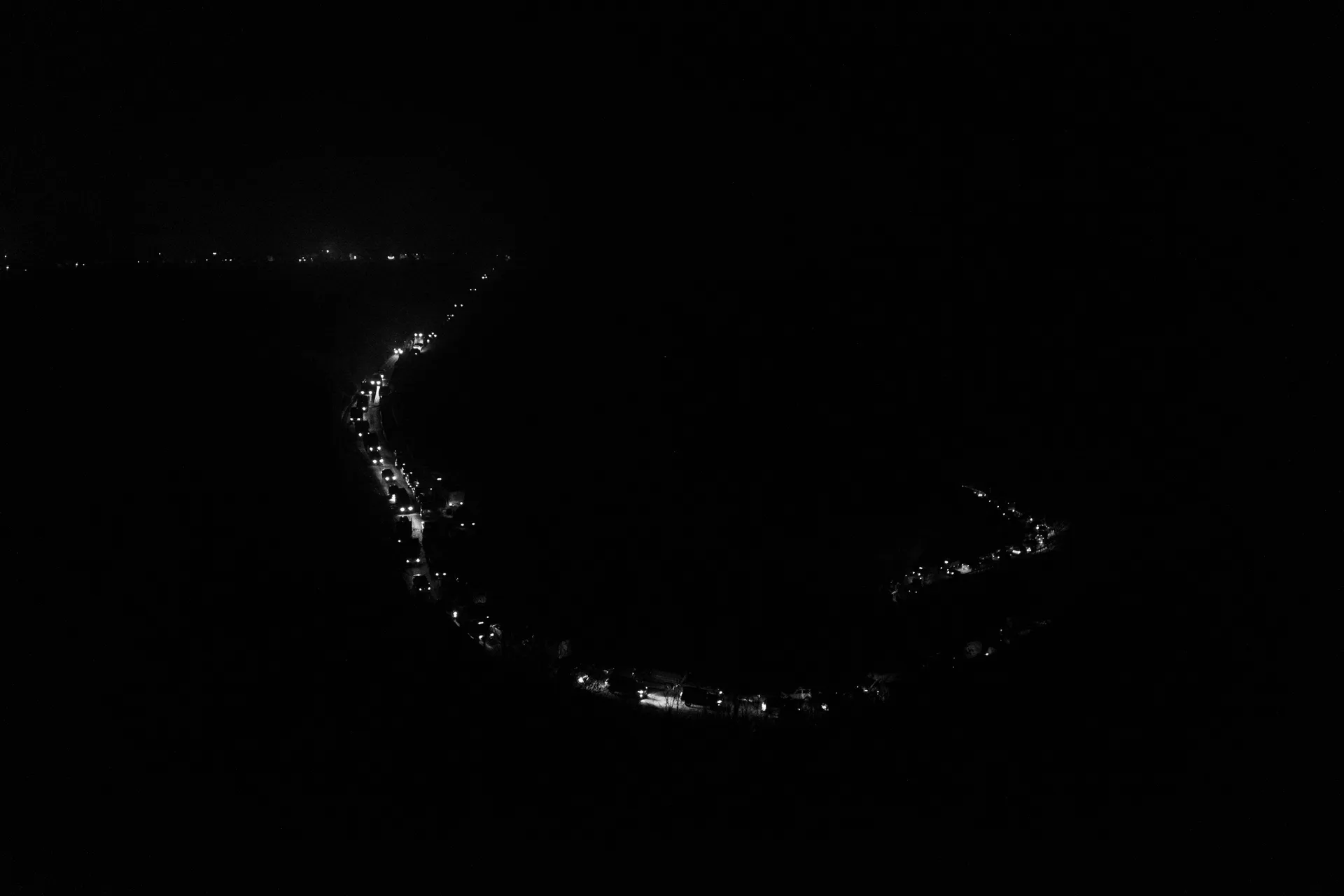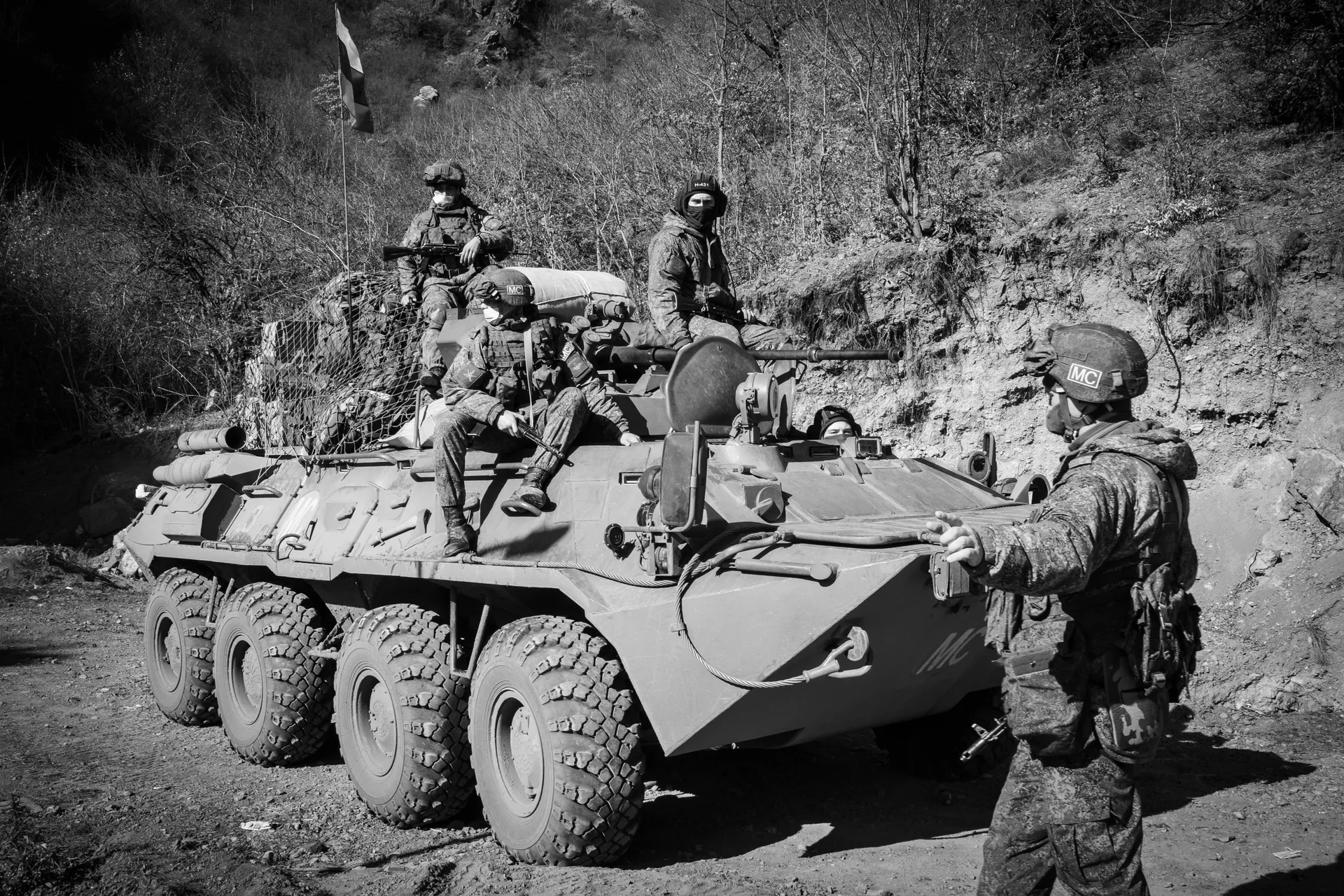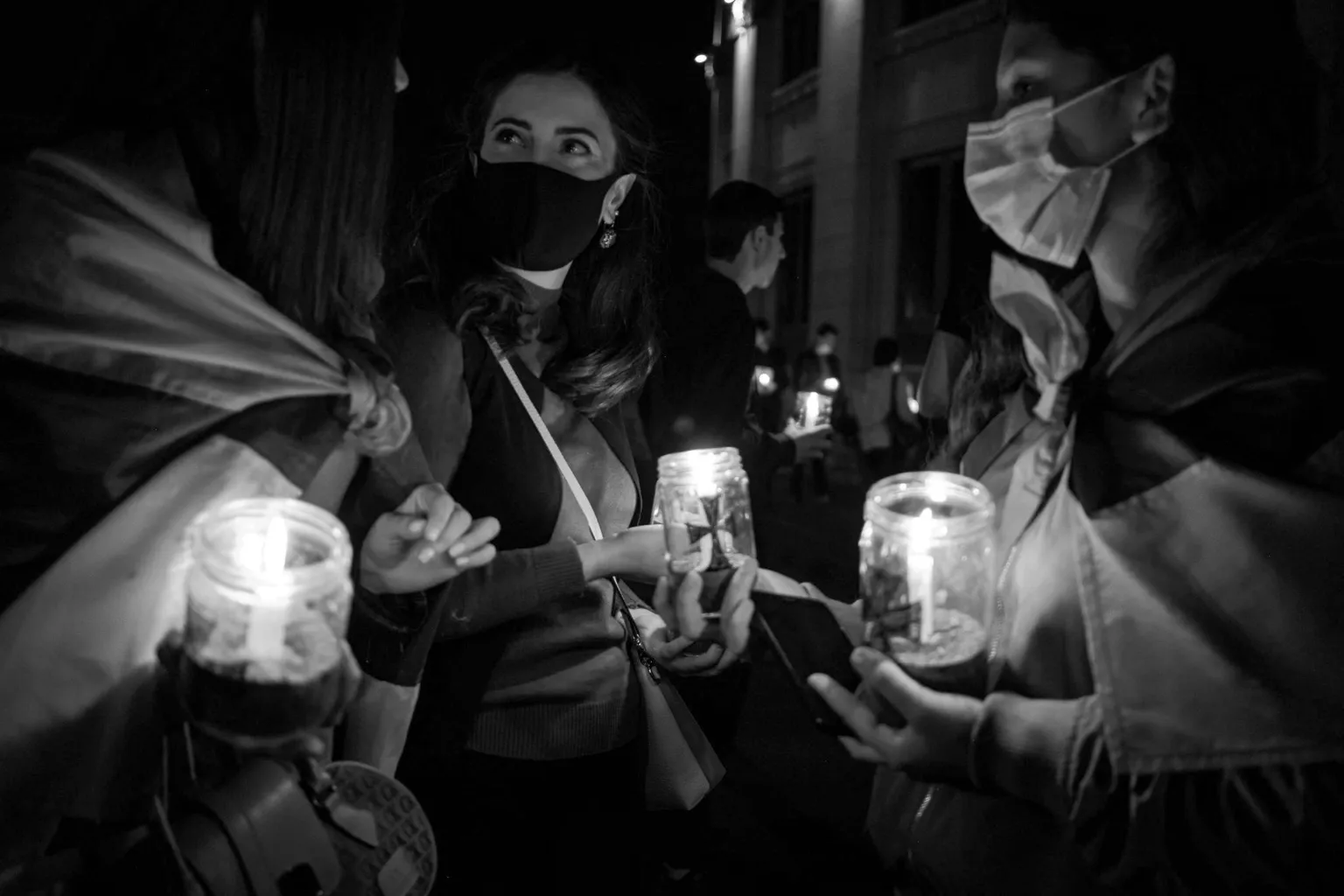
Nagorno-Karabakh - 44 days war, 2020
Nagorno-Karabakh means black garden—an irony written into its very name, as it is a land of profound beauty and richness, yet gripped by atrocious conflicts that have never ceased to grant it peace. A black garden, indeed. Nagorno-Karabakh was for decades at the center of a bitter conflict. The tension erupted into the First Nagorno-Karabakh War (1988–1994), triggered in February 1988 when the regional parliament of the Nagorno-Karabakh Autonomous Oblast voted to unify with Armenia as the Soviet Union began to weaken. The referendum was boycotted by the local Azerbaijani population, and the subsequent collapse of the USSR in 1991 escalated full-scale hostilities driven by deep ethnic rivalries, historic territorial claims, and the desire of the majority ethnic Armenian population for self-determination. The war was won by Armenia, putting the region and surrounding territories under Armenian control through the self-proclaimed Republic of Artsakh, which was never internationally recognized. In September 2020, Azerbaijan, backed by Turkey, launched a rapid 44-day offensive to reclaim these territories, ending with a Russian-brokered ceasefire on November 10, 2020, that left only a small enclave under Armenian administration, monitored by Russian peacekeepers. The status quo collapsed completely on September 19, 2023, when Azerbaijan launched a 24-hour military operation that forced the total capitulation of the local authorities. This prompted the flight of over 100,000 ethnic Armenians to Armenia between September 24 and October 1, 2023, and led to the official dissolution of the Republic of Artsakh on January 1, 2024. Today, the region is under full Azerbaijani control, Russian forces completed their withdrawal in April 2024, and geopolitical tensions have shifted toward the proposed "Zangezur Corridor", a transport route through southern Armenia aimed at linking mainland Azerbaijan with its Nakhchivan exclave and Turkey.
27 images