THE ARMENIANS
A Visual Narrative
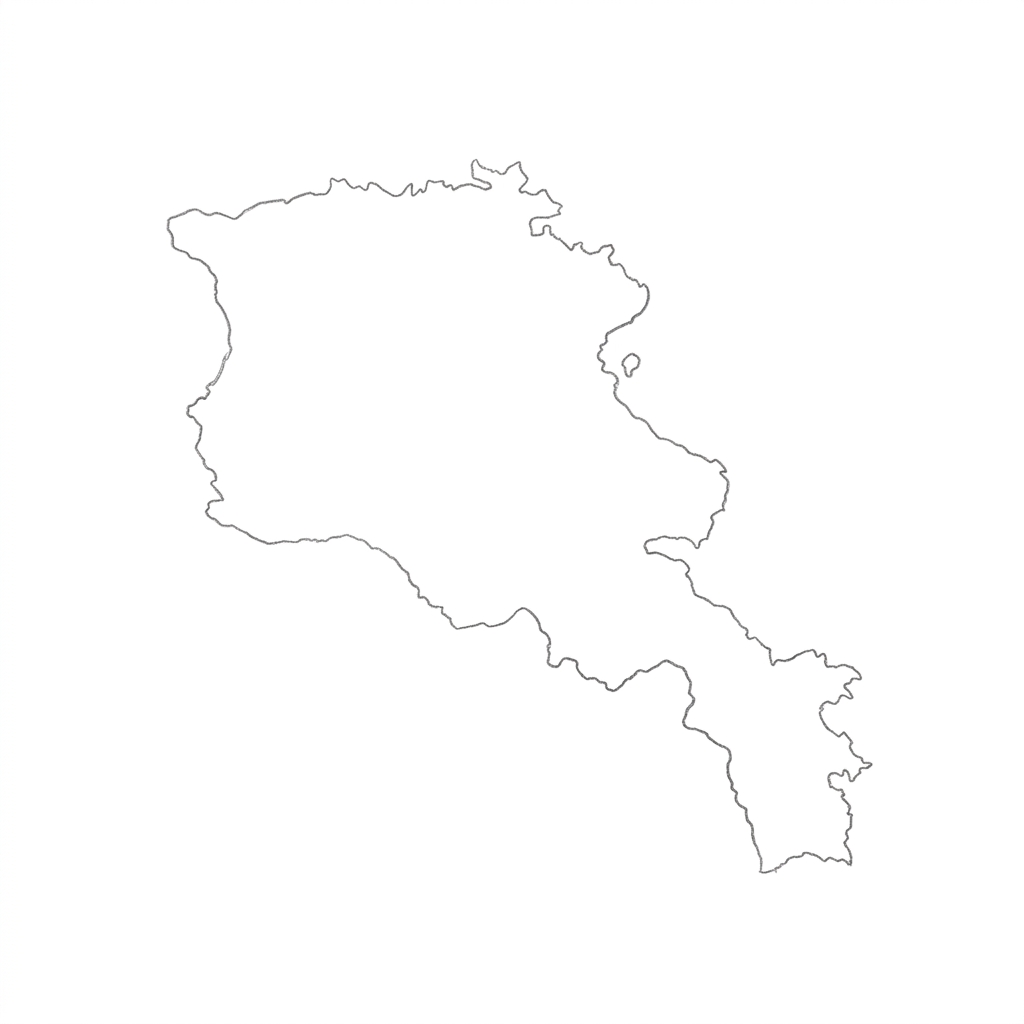
A photographic project I began in 2019, when I moved to Armenia and this country became my home. Since then, I have traveled extensively to explore a land that has always appeared to me like “a region in the clouds,” shaped by the ancient history carried within its name. From that moment on, I started moving through it first as an outsider observer, and gradually as someone deeply immersed within it. I have watched the country change many times; I have witnessed its conflicts, its hopes, and its pain. Today, despite the difficulties this country continues to face, I no longer struggle to feel that I belong to these lands, where I have always moved with a deep sense of ease. From this experience comes my photographic project, which I continue to expand day after day, with the intention of creating a long-term visual narrative.
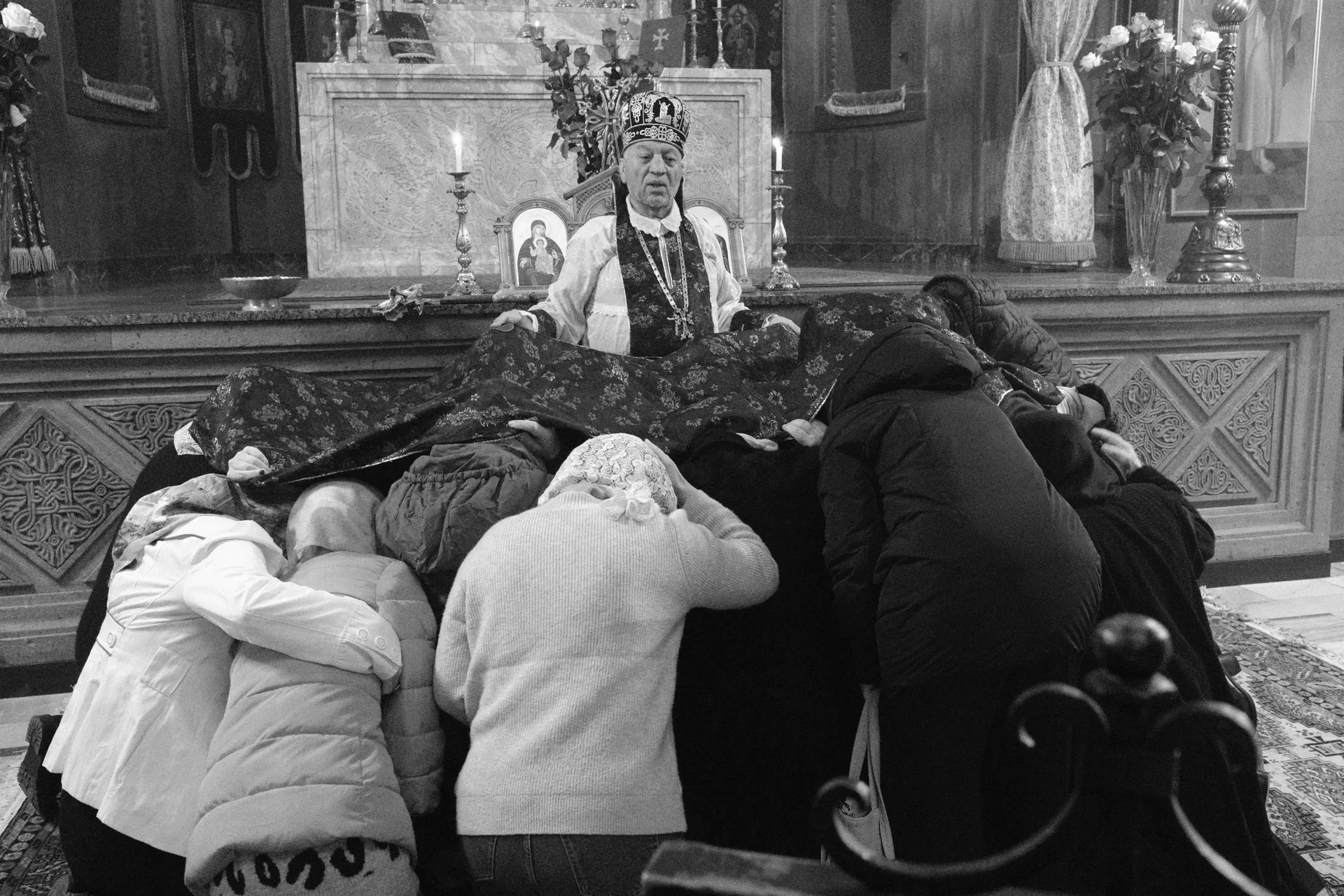
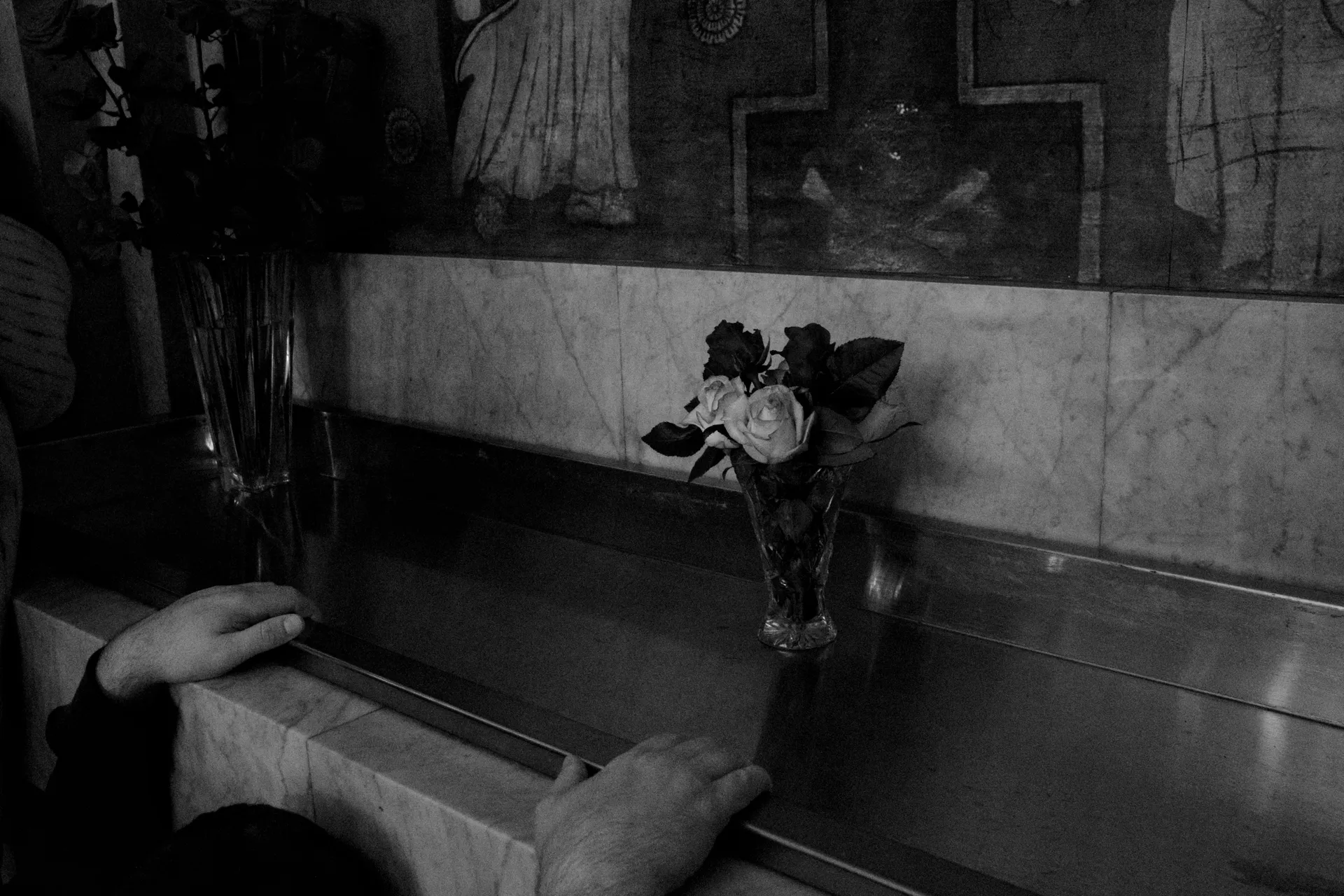
Saint John the Baptist Church, in Kond
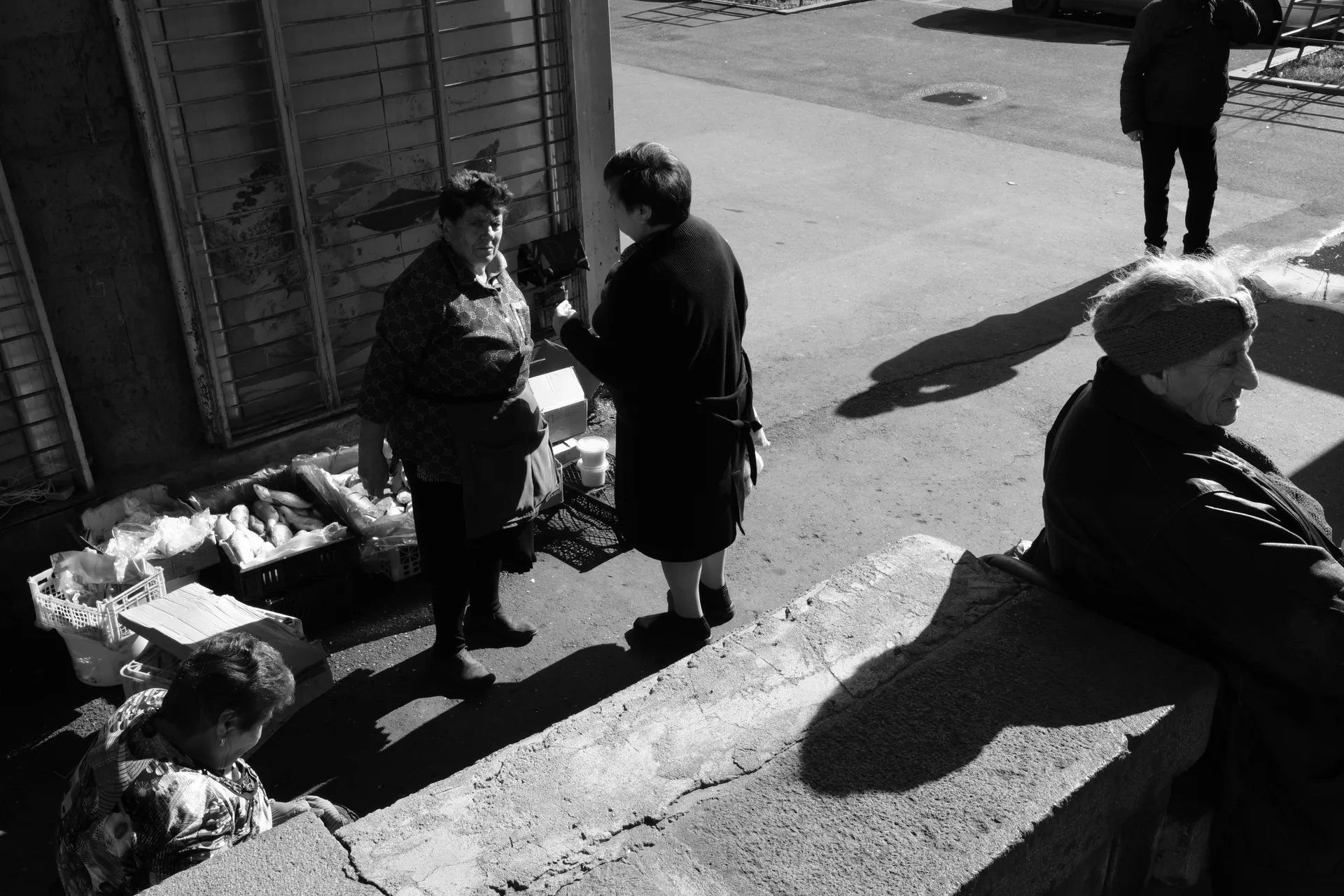
Yerevani "shuka" (market)
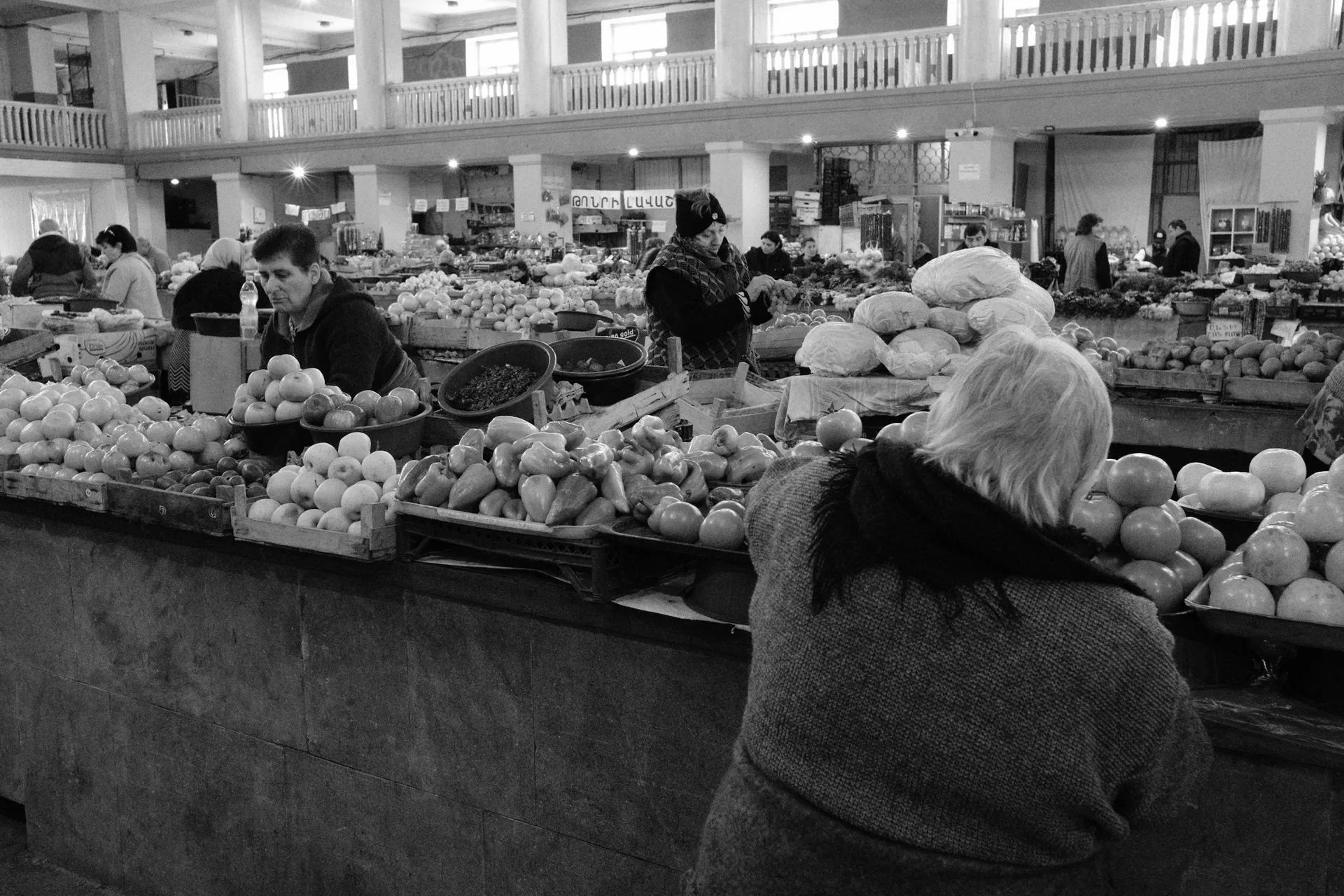
Yerevani "shuka" (market)
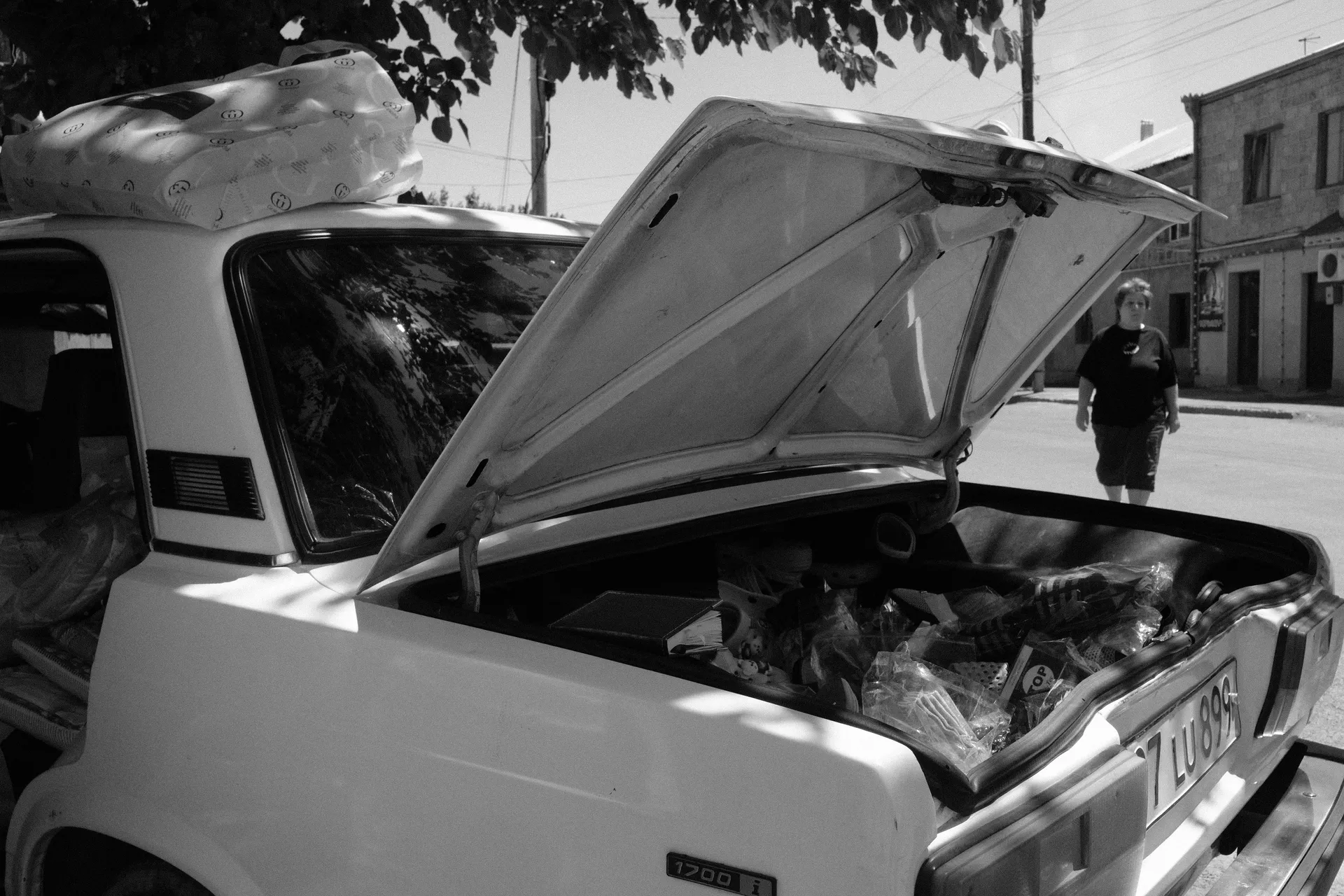
Kanakeravan, a village nearby Yerevan
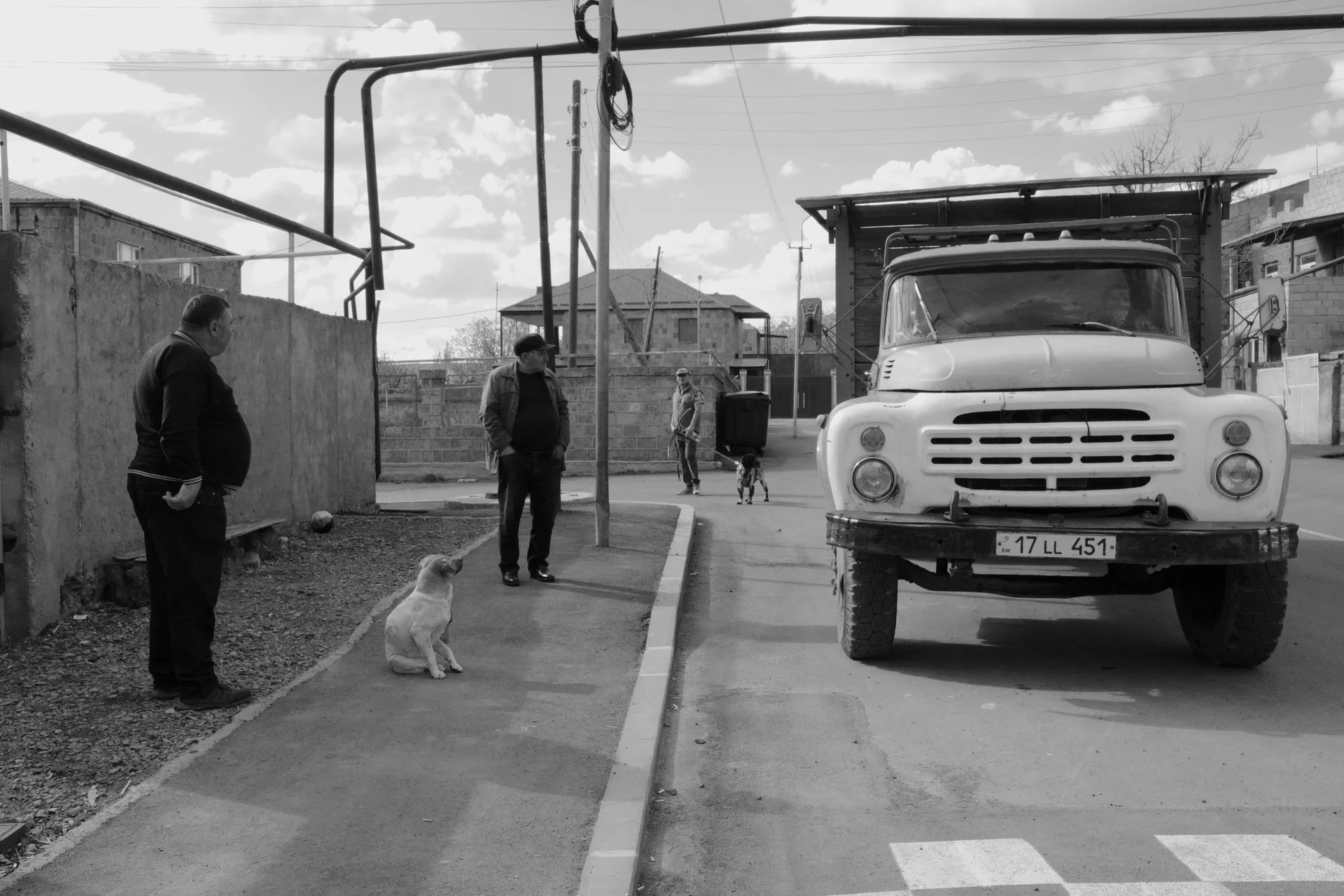
Somewhere in Mrgashen - Armenia
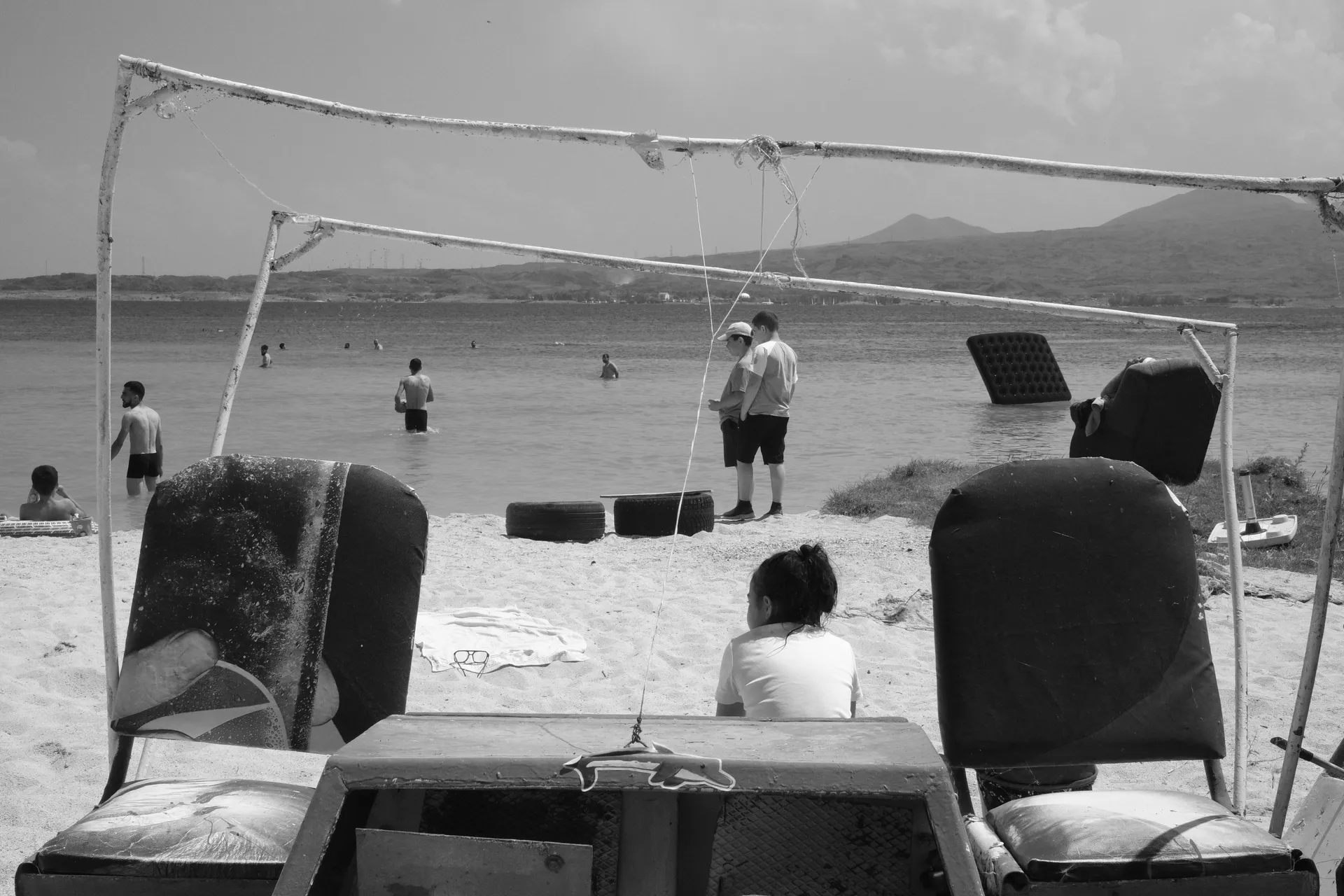
Sevan lake in summer
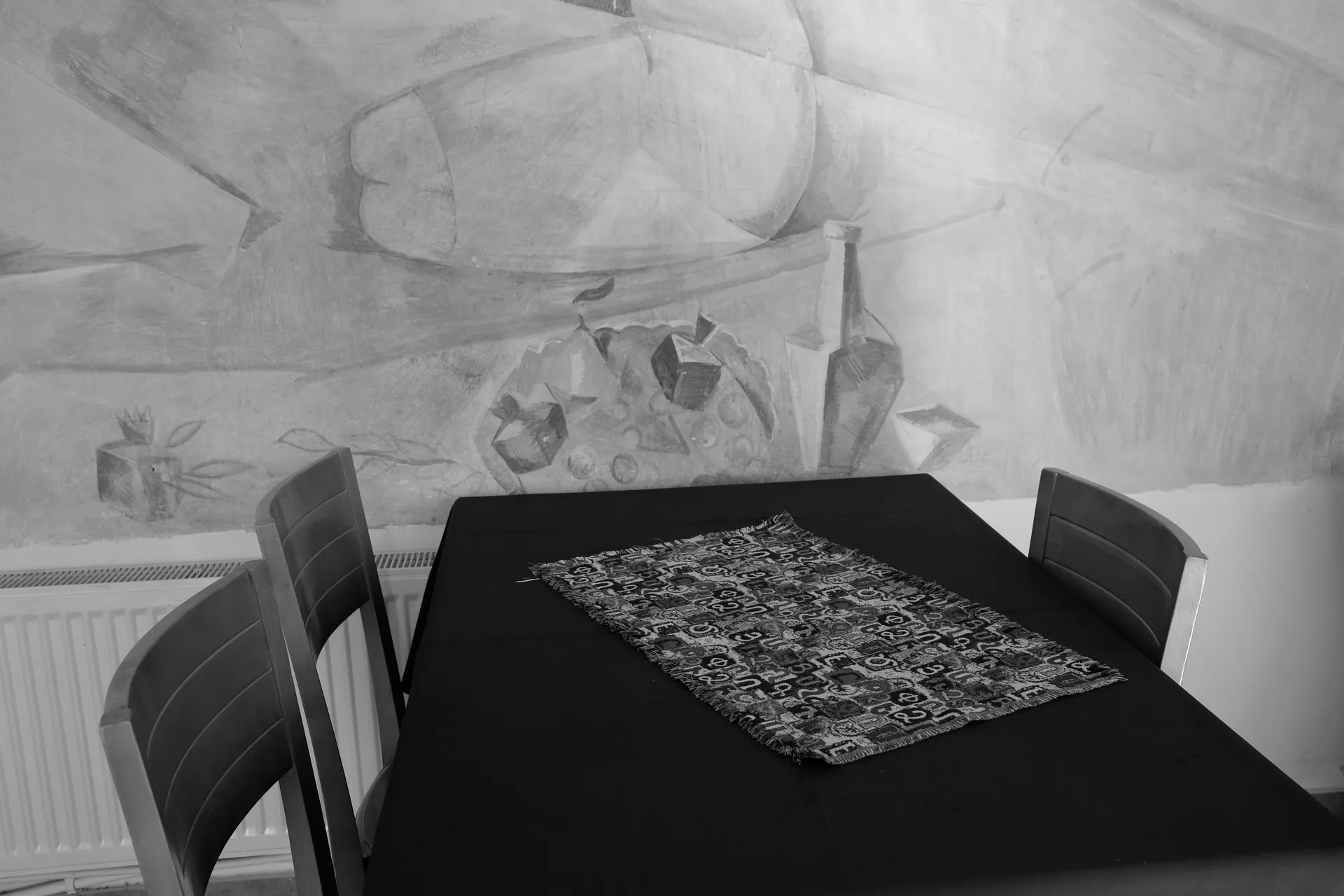
A tablecloth with the Armenian alphabet
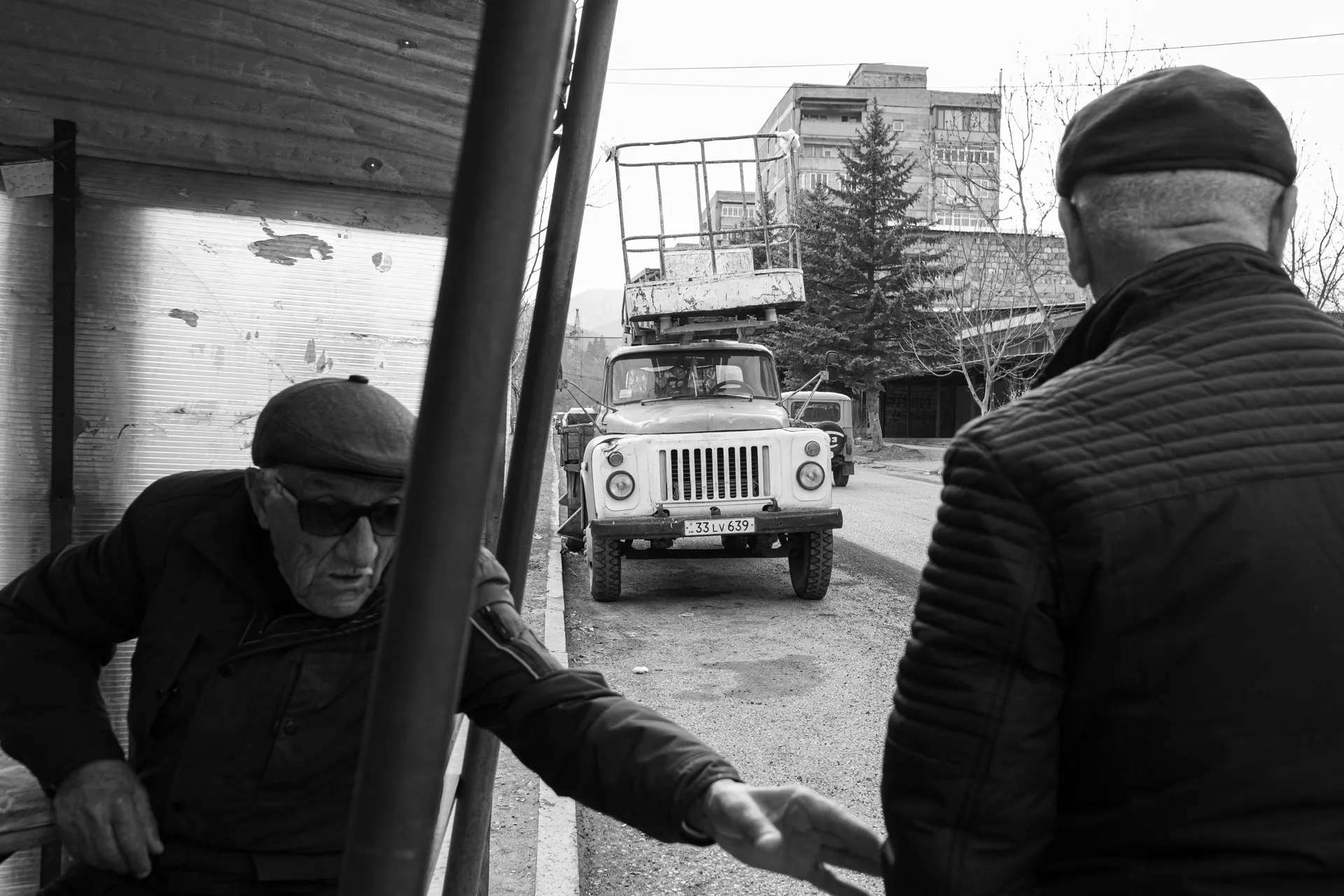
Dilijan
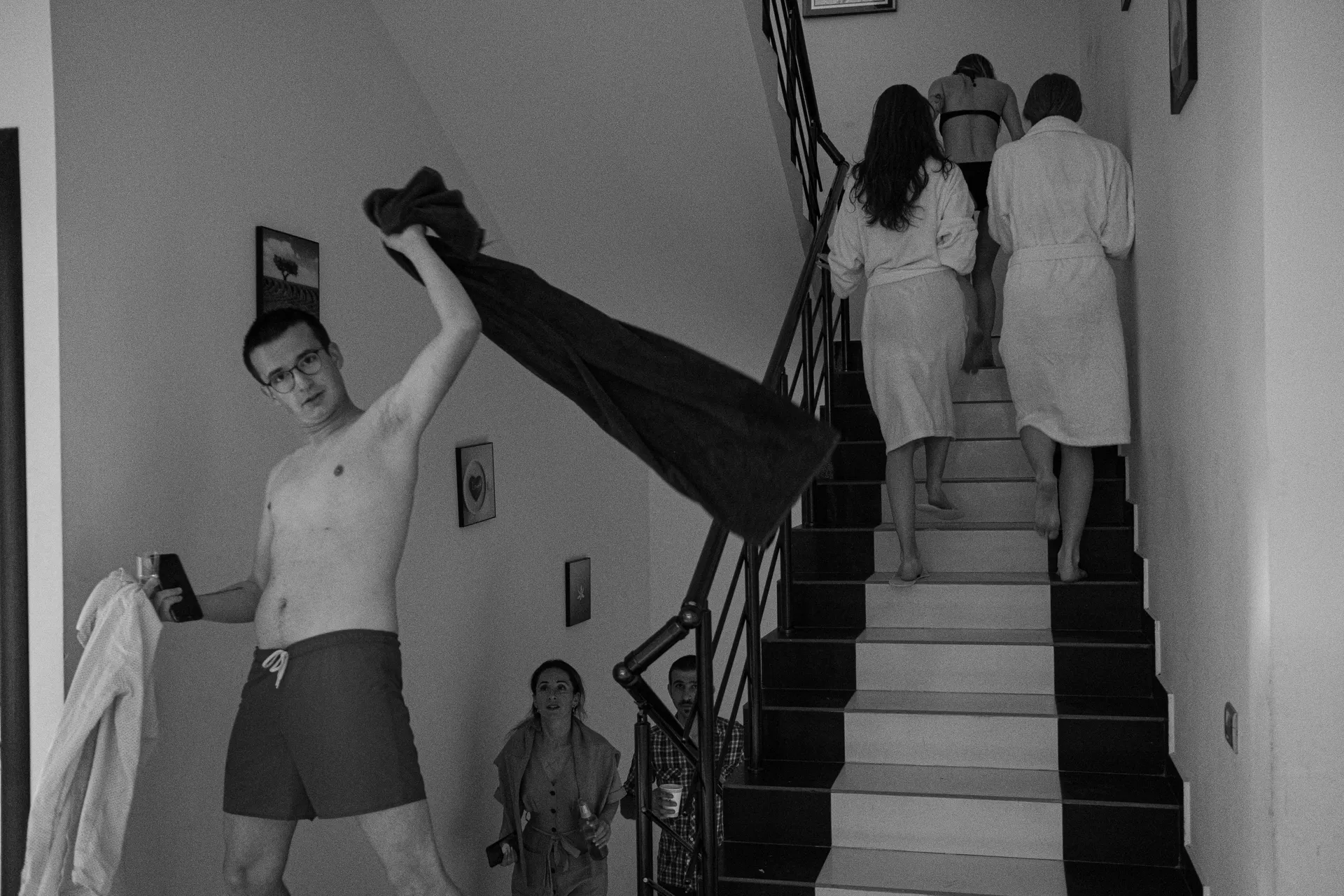
Scene from a birthday with diaspora armenians
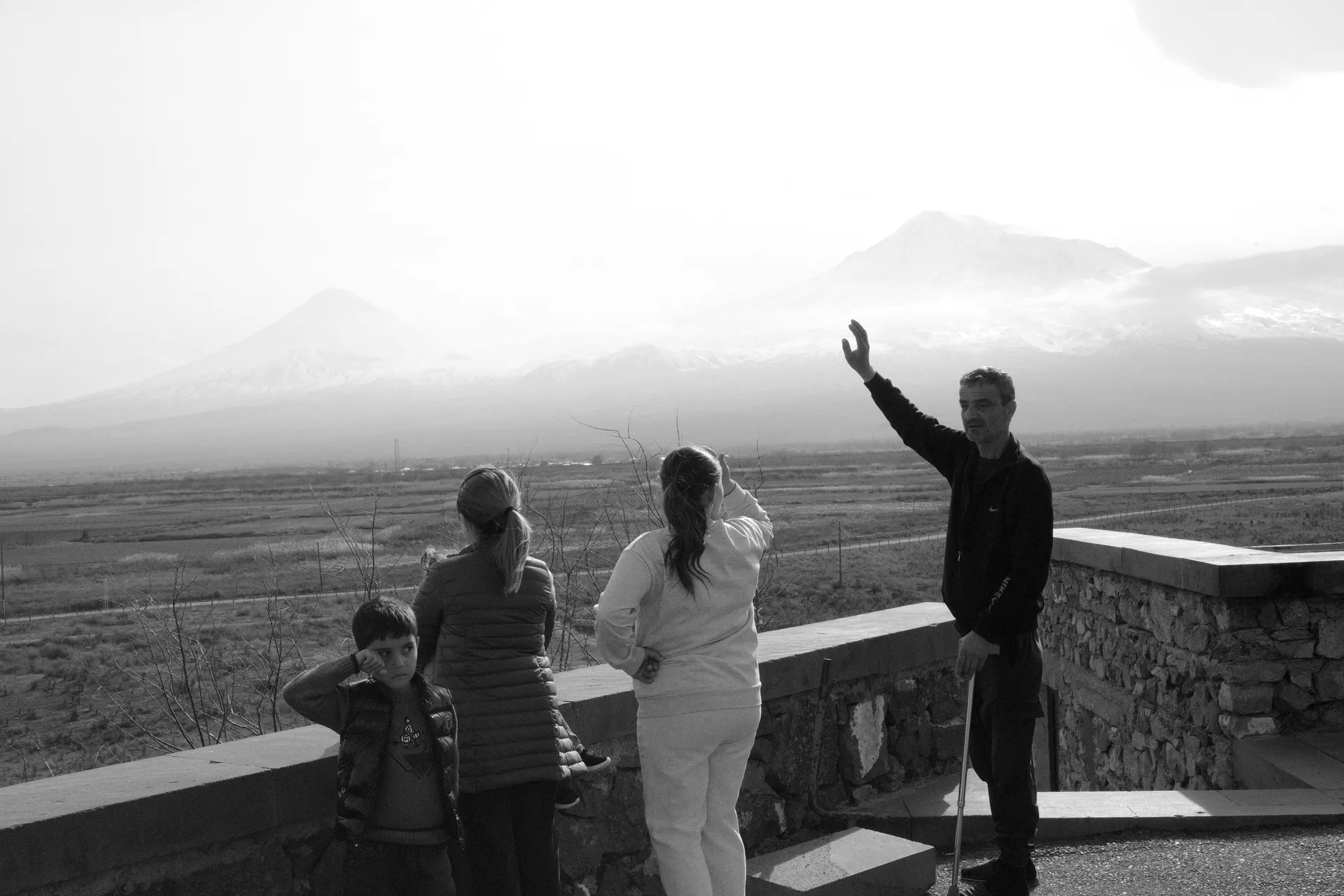
Around Khor Virap, Ararat on the background
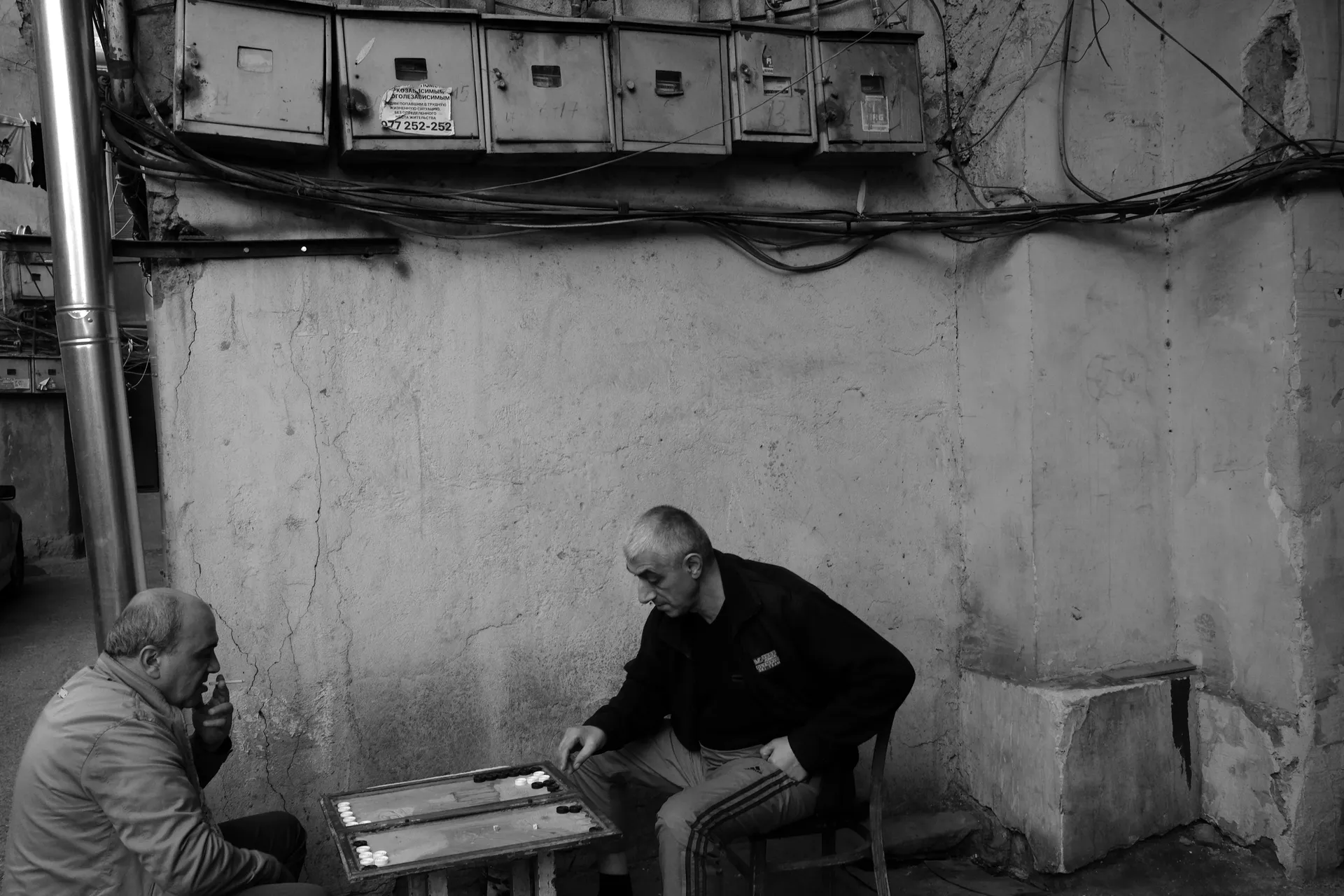
Men playing - Yerevan
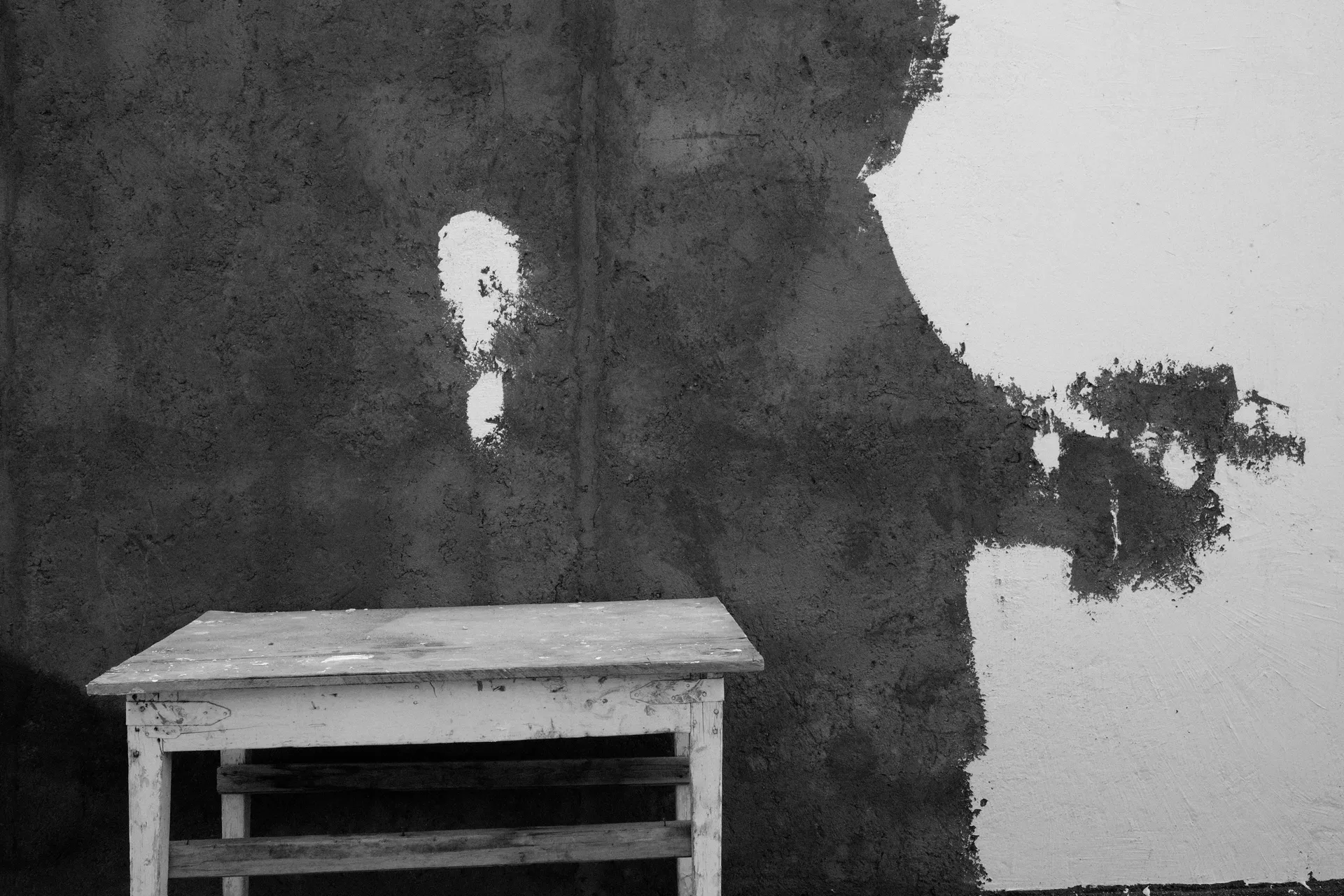
Somewhere in Mrgashen - Armenia
These are some of the images I captured during my walks around the country, while attending events, or while working on documentary projects I was involved in during my time here. The intention was and still is to know more about the country; my goal is to continue working on this project indefinitely, as this is the country where I have chosen to live, learn, and represent. It is a country that has changed significantly in recent years and continues to evolve very rapidly, constantly navigating its identity between Asia and Europe.
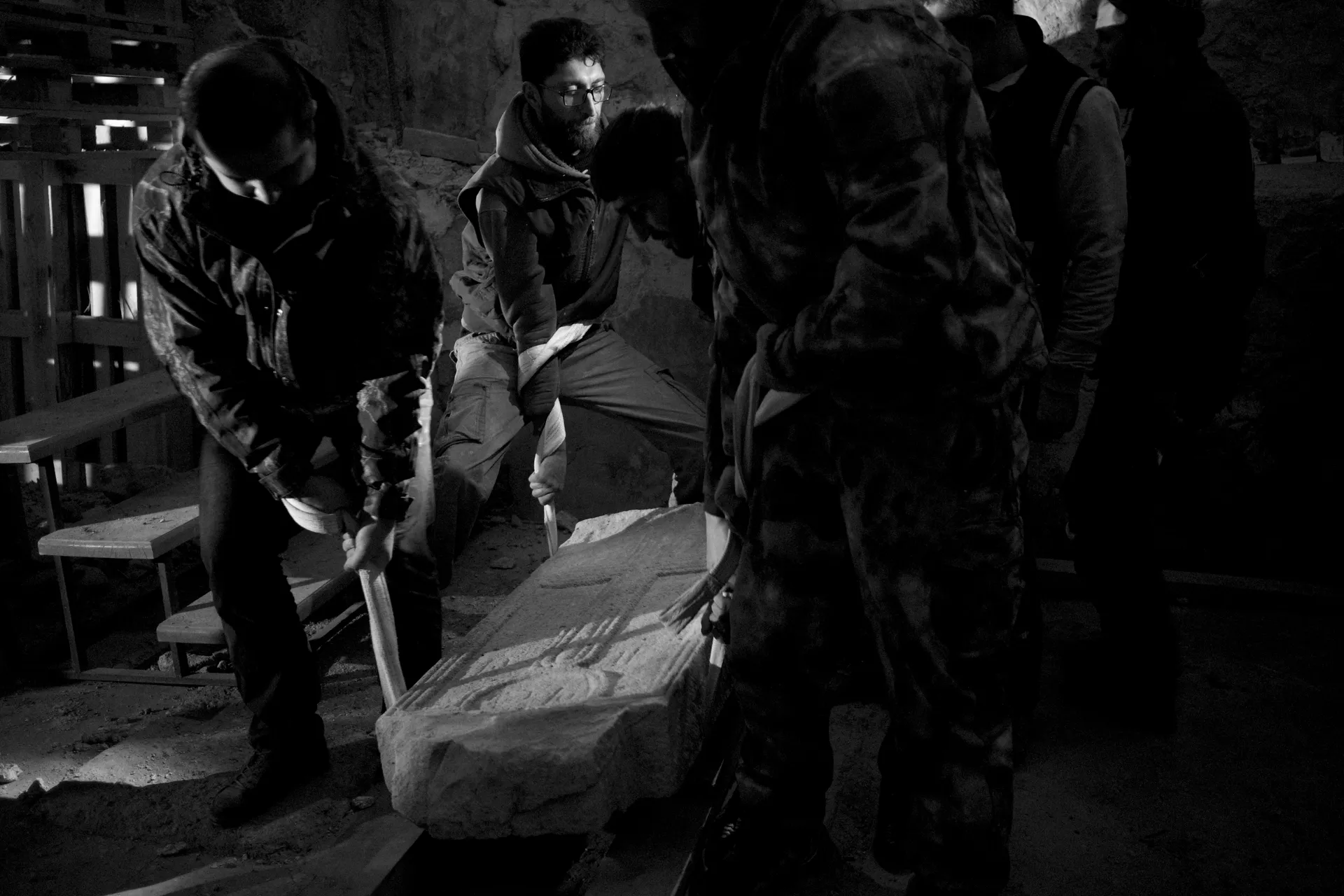

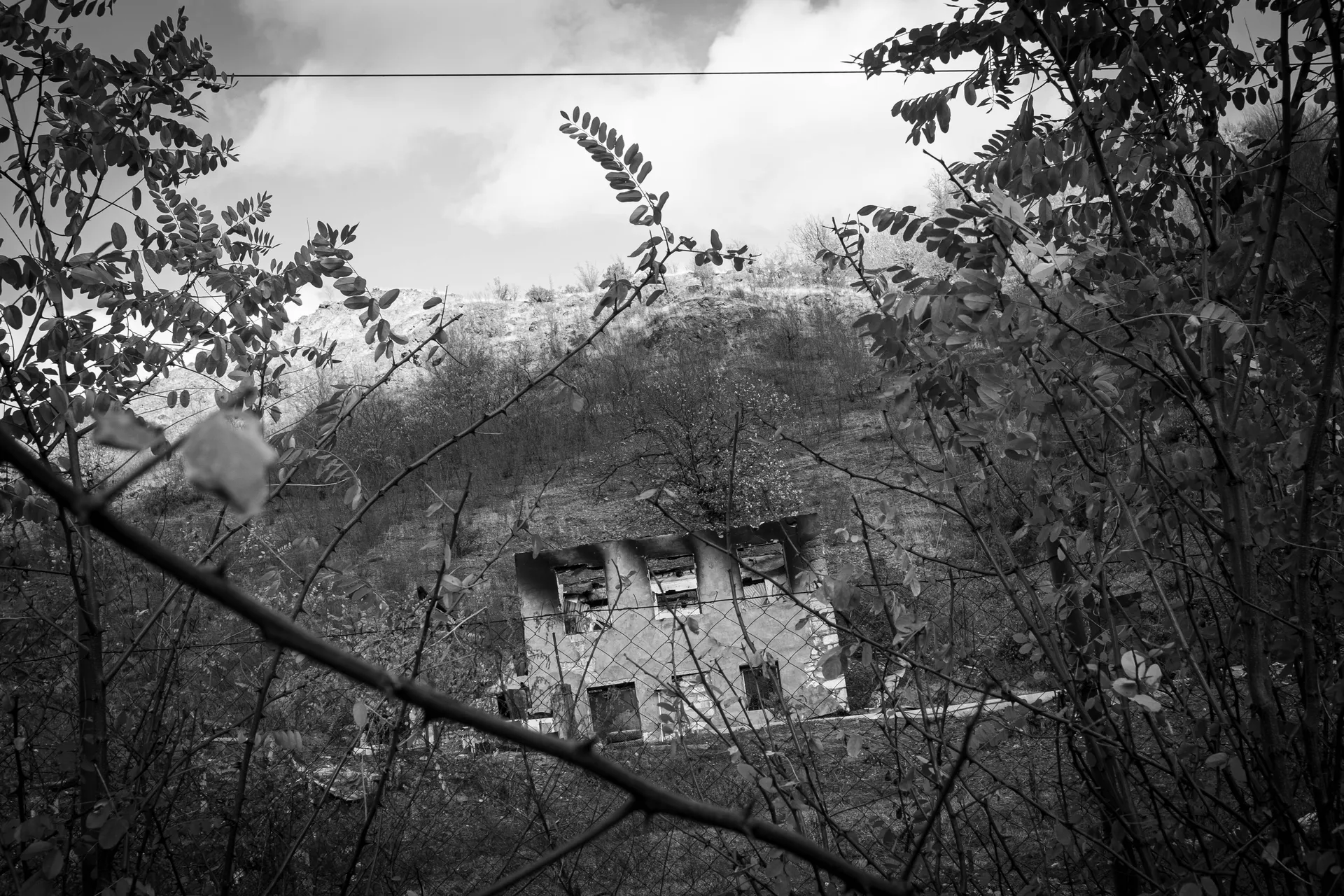
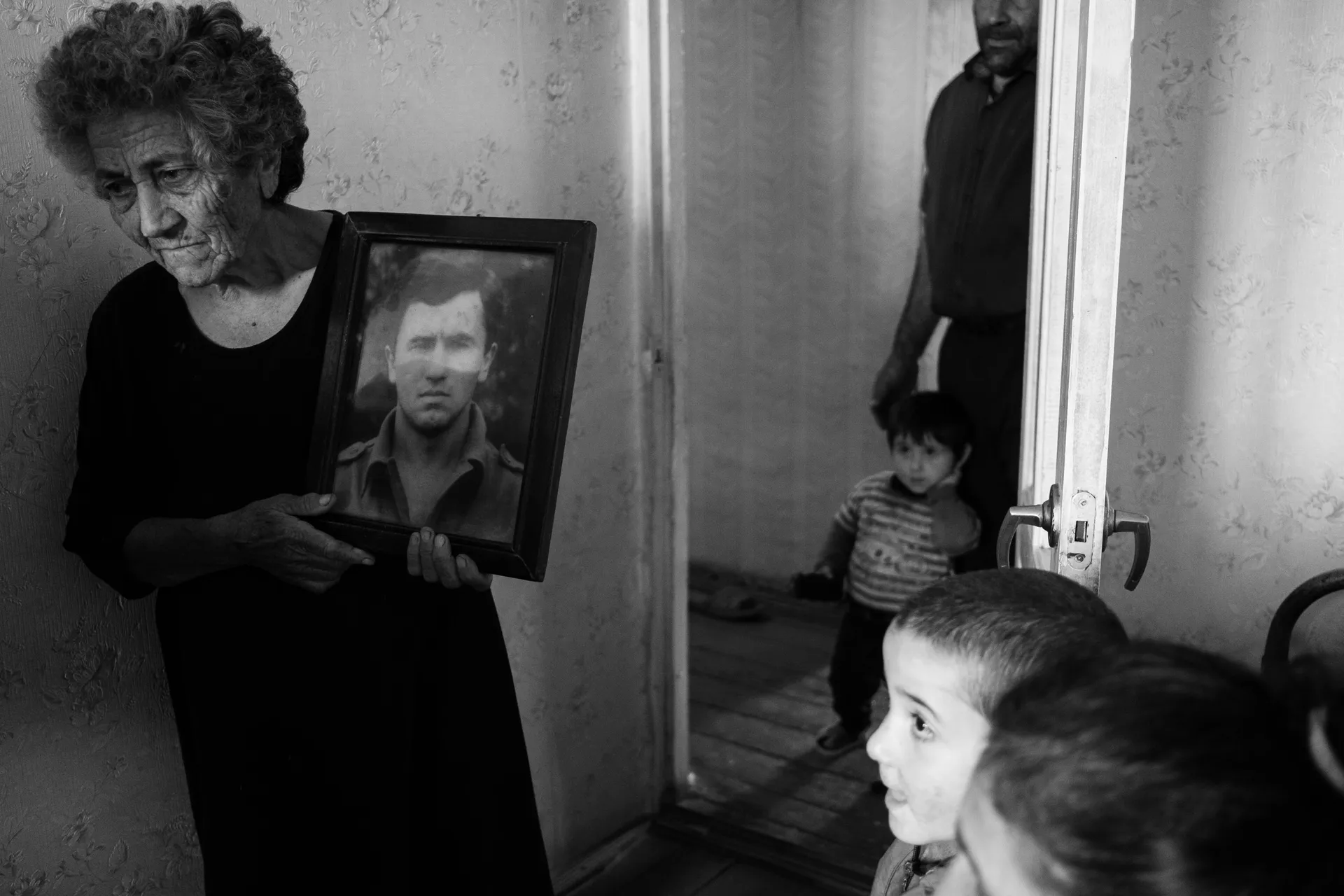
The Nagorno-Karabakh War of 2020
The photography collection I intend to present also includes several shots from the 2020 Nagorno-Karabakh (Artsakh for the armenians) war. It features images from Stepanakert, Shushi, and Dadivank, where I traveled to document the very first and the final days of the conflict.
An hardcover photography book
Today, my goal is to turn all of this into a book that can tell the story in a different way, bringing to light aspects I haven’t been able to find in other works I’ve had the chance to explore and come to know. This is the country I live in, and the one I want to keep telling, always.
I find it important to be able to speak about this country in a slower, more thoughtful way. In this sense, print-based reproduction becomes a significant medium, as it forces us to pause and engage more attentively with the image—both visually and physically, through touch and observation. The online world does not fully satisfy this need, as it is constantly distracted and excessively fast.
I believe that slowness should be reclaimed and, above all, preserved, since today it is increasingly at risk of being perceived as a flaw. This is even more true when speaking about a complex country like Armenia, which requires the right degree of attention—something that a constantly accelerating world too often fails to grant or properly honor.
Let's Connect.
Thank you.
I've received your message and will get back to you shortly.